How I Synced Health Insurance with My Investment Timing — A Systematic Win
What if protecting your health could actually boost your wealth? I used to see health insurance as just another bill—until I realized it’s a strategic part of smart investing. By aligning my coverage decisions with key investment moments, I reduced stress, avoided financial traps, and protected my portfolio when it mattered most. This isn’t about cutting corners; it’s about building a system where risk protection and growth work together. Health insurance, when timed wisely, becomes more than safety net—it becomes a silent partner in financial success. The peace of mind it brings allows investors to stay the course, avoid forced sales, and maintain long-term strategies even during turbulent times. This article reveals how one seemingly passive expense can actively shape the trajectory of wealth when integrated with intention and foresight.
The Moment I Realized Health Insurance Wasn’t Just a Cost
It started with a sudden hospitalization—mine. A routine checkup revealed an issue requiring immediate surgery. The medical team was excellent, the recovery successful, but the financial aftermath lingered. Even with insurance, the out-of-pocket expenses were significant. What stung more than the bills was the timing: it coincided with a sharp market downturn. Faced with unexpected costs and declining portfolio value, I made a decision I still regret—selling a portion of long-held index funds at a loss. That moment was a wake-up call. I had treated health insurance as a fixed monthly cost, like electricity or internet, not as a dynamic component of my financial strategy. I began to see that a gap in protection—or poorly timed coverage—could force disruptive financial choices. The real cost wasn’t just the deductible; it was the opportunity lost by selling low. From that point, I shifted my perspective. Health insurance wasn’t merely an expense to minimize. It was a tool to preserve capital, maintain investment discipline, and protect against timing-related setbacks. This realization marked the beginning of a more integrated approach—one where insurance decisions were no longer made in isolation but in concert with investment cycles and life transitions.
The emotional toll of that experience was just as impactful as the financial one. Fear and uncertainty clouded my judgment during a critical period. I questioned every financial move, hesitated on rebalancing, and lost confidence in my long-term plan. This emotional volatility is a hidden risk many investors overlook. Financial decisions made under stress are rarely optimal. But with stronger, better-timed insurance coverage, the shock would have been softened. I could have focused on recovery, not on spreadsheets and withdrawal strategies. The lesson was clear: emotional resilience is tied to financial resilience, and both depend on adequate risk protection. By reframing health insurance as a stabilizing force, I began to appreciate its role in sustaining not just physical health, but financial composure. This mindset shift allowed me to approach future decisions with greater clarity and confidence, knowing that unexpected events wouldn’t automatically derail my financial trajectory.
Why Risk Protection and Investment Timing Are Connected
At first glance, health insurance and investment timing may seem unrelated—one is about managing risk, the other about pursuing growth. But in practice, they are deeply intertwined. When a health crisis strikes, it doesn’t just affect well-being; it often triggers urgent financial needs. If those needs arise during a market downturn, the pressure to liquidate assets intensifies. This forced selling at depressed prices erodes long-term wealth. Conversely, strong health coverage acts as a buffer, allowing investors to wait for better market conditions before making withdrawals. This is the core connection: risk protection preserves the ability to make intentional investment decisions, rather than reactive ones. It’s not about avoiding losses altogether—that’s impossible—but about avoiding preventable ones caused by poor timing and insufficient safeguards.
Major life transitions amplify this link. Changing jobs, starting a business, or experiencing family milestones often coincide with shifts in both health risk and investment activity. For example, when someone leaves a corporate job for freelance work, they may face higher health risks due to irregular schedules and stress, while also losing employer-sponsored insurance. If they don’t secure replacement coverage quickly, they’re exposed during a period when income may be unstable and investment accounts are being drawn upon. Similarly, during market highs, investors may feel confident enough to take on more risk—including reducing insurance coverage—but this is often the worst time to do so. A sudden health event during a peak could force them to sell assets just before a correction, locking in losses. The timing of insurance decisions, therefore, should be treated with the same care as asset allocation or tax planning. It’s not a one-size-fits-all decision, but a dynamic element that must adapt to changing circumstances.
Another critical aspect is the psychological impact of being underinsured. Studies in behavioral finance show that financial stress impairs decision-making. Investors who worry about medical costs are more likely to panic during market volatility, leading to premature selling or abandoning long-term strategies. In contrast, those with adequate coverage can remain calm and focused, trusting that short-term setbacks won’t spiral into financial crises. This emotional stability is a silent advantage—one that compounds over time. By aligning insurance with investment timing, individuals create a feedback loop: better protection leads to better decisions, which leads to better outcomes. This synergy is often overlooked in traditional financial planning, where insurance is treated as a separate, static line item. But in reality, it’s a dynamic force that shapes the entire financial journey.
Mapping Life Phases to Coverage and Investment Moves
Financial needs evolve over time, and so should the relationship between health insurance and investment strategy. A one-time decision at age 30 won’t serve the same purpose at 50. By mapping coverage to life phases, investors can ensure they’re protected when it matters most. In the early career stage, income may be modest, but long-term investment potential is high. Health risks are generally lower, but accidents or unexpected illnesses can still disrupt savings. At this stage, a high-deductible health plan paired with a Health Savings Account (HSA) can be a powerful tool. Contributions to an HSA are tax-deductible, grow tax-free, and can be withdrawn tax-free for medical expenses. This turns a cost into a long-term investment vehicle. By funding the HSA consistently, young professionals build a reserve that can cover future medical costs without touching retirement accounts.
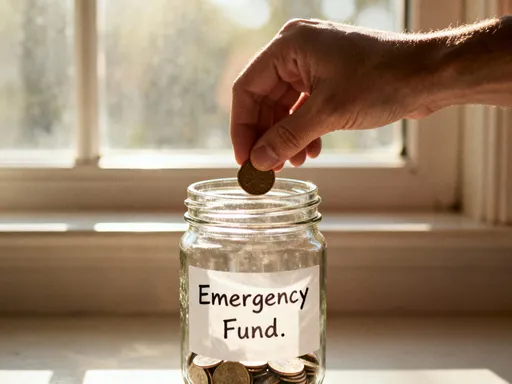
During mid-life, financial responsibilities typically increase—mortgages, children’s education, aging parents. Health risks also begin to rise, and so does the value of comprehensive coverage. This is often the time when people make major investment decisions, such as buying real estate or increasing retirement contributions. A gap in insurance during this phase can be especially damaging. For example, a serious illness could force the sale of a rental property at an inopportune time, undermining years of equity growth. To mitigate this, investors should review their coverage before making large financial moves. Increasing coverage limits, adding critical illness riders, or ensuring spouse and children are adequately covered can provide essential protection. This stage also calls for coordination between insurance and emergency funds. A robust emergency fund reduces the need to dip into investments, while strong insurance prevents the fund from being depleted by medical bills.
As individuals approach retirement, the focus shifts from wealth accumulation to preservation. Market volatility becomes a greater threat, and the ability to recover from losses diminishes. Health risks rise significantly, making comprehensive coverage more important than ever. This is the time to ensure Medicare supplements are in place, long-term care insurance is evaluated, and prescription drug coverage is optimized. Any major investment shifts—such as transitioning from stocks to bonds—should be paired with a review of insurance needs. Selling assets to cover medical costs in retirement can permanently reduce income streams. By aligning coverage with withdrawal strategies, retirees can maintain a steady income without jeopardizing their health security. The goal is not to eliminate risk, but to manage it in a way that supports long-term stability.
The Hidden Cost of Bad Timing: When Gaps Hurt Most
One of the most common—and costly—mistakes is canceling employer-sponsored insurance too soon after leaving a job. Many people assume they’ll quickly secure new coverage, only to face delays due to underwriting, pre-existing conditions, or administrative hurdles. During this gap, even a minor health issue can become a financial disaster. Imagine needing emergency surgery two months after quitting a job, with no coverage in place. The bills could easily exceed tens of thousands of dollars. If this occurs during a market downturn, the temptation to sell investments to cover costs becomes overwhelming. The result? A double loss—financial from the medical bills, and opportunity-based from selling low. This scenario is entirely preventable with proper timing. Using COBRA or securing an individual plan before leaving employment ensures continuity of protection, preserving both health and wealth.
Another timing pitfall occurs during freelance or entrepreneurial transitions. Many self-employed individuals prioritize business expenses over personal coverage, assuming they’re healthy and can “get by” without insurance. But the stress of launching a business can increase health risks, and the irregular income makes absorbing medical costs even harder. A single hospitalization could wipe out months of revenue and force the closure of a promising venture. The solution is not to delay coverage, but to align it with business milestones. For example, securing a health plan before launching a product or taking on a major client ensures that success isn’t undermined by unexpected setbacks. Similarly, investors who underinsure during market highs—feeling invincible due to portfolio gains—often regret it when a downturn coincides with a health crisis. Overconfidence in good times can lead to dangerous exposure in bad ones.
The ripple effects of poor timing extend beyond immediate costs. A forced sale of assets can disrupt tax strategies, trigger capital gains, or reduce contributions to retirement accounts. It may also delay major life goals, such as buying a home or funding education. These indirect consequences are rarely calculated but can significantly impact long-term financial health. The key is to recognize that insurance is not just about covering medical bills—it’s about protecting the entire financial ecosystem. A well-timed policy prevents a single event from cascading into a series of setbacks. By treating coverage decisions with the same rigor as investment choices, individuals can avoid the hidden costs of bad timing and maintain momentum toward their goals.
Building Your Own System: Aligning Policies with Market Cycles
Creating a systematic approach begins with synchronization. Just as investors review portfolios quarterly or annually, they should schedule regular insurance assessments. The best times to do this are during natural financial milestones: receiving a bonus, completing a major investment, or experiencing a life change. For example, when an investor realizes significant gains from a stock sale, part of those proceeds can be allocated to upgrading health coverage. This not only reinforces protection but also enhances the value of the windfall. Similarly, before entering a volatile market phase, increasing coverage limits can provide a safety net that allows for more confident investing. The goal is to treat insurance not as a fixed cost, but as a dynamic investment in financial resilience.
Open enrollment periods offer another strategic opportunity. Rather than treating them as administrative chores, investors can use these windows to optimize coverage in line with their financial outlook. If the market has performed well, it may be the right time to increase out-of-pocket maximums in exchange for lower premiums, freeing up cash for investments. Conversely, if volatility is expected, opting for more comprehensive coverage can reduce risk exposure. Deductible choices should also reflect current cash flow. A high deductible may make sense when savings are strong, but during leaner periods, a lower deductible can prevent financial strain. These decisions should be made proactively, not reactively, based on a clear understanding of both health needs and financial conditions.
Coordination with tax planning is equally important. Contributions to HSAs, for instance, should be maximized when in a higher tax bracket, turning tax savings into long-term growth. Withdrawals should be timed to avoid unnecessary taxes and to complement retirement income strategies. By integrating insurance decisions with broader financial planning, individuals create a cohesive system where every move supports the next. This approach requires discipline and foresight, but the payoff is a more resilient, adaptable financial life. It’s not about perfection, but about consistency—making small, intentional adjustments that compound over time.
Tools and Habits That Keep the System Running Smoothly
Sustaining this integrated approach doesn’t require complex technology or constant monitoring. Simple, low-effort habits can make a lasting difference. One of the most effective is setting calendar alerts for key dates: open enrollment, policy renewals, and annual investment reviews. Linking insurance checkups to existing financial routines ensures they don’t get overlooked. For example, scheduling a coverage review on the same day as a portfolio assessment turns two tasks into one efficient session. This dual checkup model treats financial and health protection as equally important components of overall well-being.
Checklists are another powerful tool. A simple document listing current policies, coverage limits, deductibles, and renewal dates can prevent gaps and confusion. Updating it annually keeps information current and makes transitions smoother. For families, sharing this checklist ensures everyone is aware of what’s covered and what’s not. Additionally, keeping digital copies of policy documents in a secure, accessible location reduces stress during emergencies. These small organizational habits may seem minor, but they prevent major oversights—like missing a renewal deadline or assuming a service is covered when it’s not.
Finally, automation can reduce friction. Setting up automatic payments for premiums ensures coverage remains active without last-minute scrambles. Similarly, auto-contributions to an HSA align savings with income, making it easier to build a medical reserve over time. The goal is to design a system that runs smoothly in the background, requiring minimal effort but delivering maximum protection. When the right habits are in place, investors can focus on growth, knowing their foundation is secure. This is the essence of financial peace—confidence that comes not from avoiding risk, but from managing it wisely.
Why This System Beats Chasing Quick Wins
In a world obsessed with fast returns and instant results, it’s easy to overlook the power of systematic, integrated planning. Chasing quick wins—whether through speculative trades or aggressive cost-cutting—often leads to short-term gains but long-term fragility. True wealth is built not on luck, but on consistency, discipline, and protection. By syncing health insurance with investment timing, individuals create a foundation that supports sustainable growth. They avoid the pitfalls of forced selling, emotional decision-making, and preventable losses. More importantly, they gain the confidence to stay the course, even when markets fluctuate or life throws unexpected challenges.
This approach doesn’t promise overnight riches. Instead, it offers something more valuable: resilience. It transforms health insurance from a passive cost into an active strategy, one that preserves capital, protects opportunities, and enhances peace of mind. When risk management and investment planning are treated as complementary, not separate, the entire financial system becomes stronger. The result is not just more money, but more control—over health, over choices, over the future. Lasting wealth isn’t built in a single trade or a single year. It’s built through small, smart decisions made consistently over time. And one of the smartest? Recognizing that protecting your health today is one of the best ways to grow your wealth tomorrow.