Tired of Overspending Without Realizing It? This App Quietly Saved Me Every Day
Living paycheck to paycheck used to mean I had to choose between buying groceries or treating myself to something small—until I discovered how easily I could earn money back without changing my habits. It wasn’t about cutting out coffee or skipping meals. It was about making my everyday spending work for me. If you’ve ever felt like your money vanishes by the 15th of the month, you’re not alone—and there’s a smarter way. I’m not a finance expert or a tech guru. I’m just a woman who was tired of feeling anxious every time I checked my bank balance. What changed everything wasn’t a raise, a side hustle, or a strict budget. It was a simple app that helped me see my spending in a whole new light—one that rewards me instead of draining me. And the best part? I didn’t have to give up anything I love.
The Moment I Realized My Money Was Slipping Away
I used to think I was careful with money—tracking expenses, making budgets, even skipping takeout now and then. But every month, something unexpected came up: a flat tire, a last-minute gift, or just rising grocery bills. One night, staring at my nearly empty bank account, I asked myself: Where did it all go? That’s when I noticed a pattern—small purchases, repeated daily, were quietly draining me. A $4 coffee here, a $12 online order there—they added up without me realizing. I wasn’t overspending recklessly; I was just unaware. I’d walk into the pharmacy for toothpaste and walk out with hand cream, a snack, and a new lip balm I didn’t need. Sound familiar?
What hit me hardest was realizing that I wasn’t living extravagantly—I was just living mindlessly. I wasn’t tracking the tiny leaks in my financial bucket. And over time, those little drips turned into a steady stream. I started writing down every single purchase for a week, just to see. By day three, I’d spent $47 on things I didn’t plan for—snacks, impulse buys at the checkout, a last-minute online sale. That was nearly half a tank of gas. That week changed everything. I knew I needed a system that didn’t rely on willpower or perfection. I needed something that worked with my real life, not against it. I didn’t want to stop enjoying the small comforts—just to make them count for more.
It wasn’t until I stumbled on a conversation in a moms’ group online that I heard about cashback apps. One woman said she’d earned over $400 in a year just by shopping where she normally did. At first, I thought it was a scam. How could you just get money back for spending? But the more I read, the more I realized this wasn’t magic—it was smart partnerships between apps and retailers. Stores wanted loyal customers, and these apps helped connect them. In return, shoppers like me got a little thank-you in the form of cash. No gimmicks, no fine print traps—just real savings, quietly added up over time. That’s when I decided to try it, not as a fix-all, but as a small shift with big potential.
How Cashback Apps Turn Daily Habits Into Hidden Savings
I first heard about cashback apps from a friend who casually mentioned she got $200 back last year “just for shopping normally.” I was skeptical—was this too good to be true? But after trying one for a month, I realized the magic wasn’t in changing behavior, but in rewarding it. These apps partner with stores I already love—my local pharmacy, the grocery chain I trust, even the shoe brand I’ve worn for years. Every time I shop, whether online or in-store, I get a small percentage back. It doesn’t feel like saving; it feels like getting a surprise thank-you note from my wallet. Over time, those little rewards pile up into real money—money I can use for emergencies, travel, or even just peace of mind.
Here’s how it actually works: let’s say you’re buying laundry detergent at your favorite store. Normally, you’d just pay and go. But with a cashback app, you open it before you shop, find the offer for that store, and activate it. Then, when you make the purchase—either online or in person—the app tracks it and credits you with a percentage back. Some apps use receipt scanning, others connect to your loyalty card, and a few even link securely to your credit card for automatic tracking. The key is that you’re not changing where you shop—you’re just getting rewarded for being loyal.
What surprised me most was how much I was already spending at places that offered cashback. I shopped at the same grocery store every week, bought gas at the same station, and ordered household items from a few trusted online retailers. I wasn’t doing anything out of the ordinary—so why shouldn’t I benefit from it? One month, I earned $18 just from grocery runs. Another month, I got $12 back on a birthday gift I bought online. It didn’t feel like a windfall, but those amounts added up. And the best part? It required zero sacrifice. I didn’t have to switch brands or hunt for coupons. I just used the app as a silent partner in my routine.
Choosing the Right App Without Getting Overwhelmed
At first, I downloaded every cashback app I could find, thinking more meant better rewards. Big mistake. I ended up confused, missing deadlines, and not earning nearly as much as I should have. One app had great grocery offers but no gas stations. Another had high rewards for electronics but required complex steps to cash out. I was logging into five different apps, trying to remember which one had the active deal, and honestly? I gave up more than once. The turning point came when I stepped back and asked: Which app fits my life?
I stopped chasing every single offer and focused on one that covered the stores I actually visit. I looked for simple redemption options, reliable payouts, and real user reviews. I also paid attention to how easy it was to track earnings and whether the app sent gentle reminders. For example, one app I tried had a $25 minimum to cash out, but it took months to reach because the offers were too narrow. Another paid out through PayPal within a week—much better. I also checked if the app had in-store location detection, so it would remind me of active offers when I walked into a store. That feature alone saved me from missing deals more than once.
Now, I use just one main app—and I earn more than when I juggled five. The key wasn’t in using every tool, but in finding the one that worked quietly and consistently in the background. I chose one with a clean interface, reliable customer support, and partnerships with the retailers I use most. It doesn’t have the flashiest bonuses, but it’s dependable. And that’s what I needed—not hype, but consistency. If you’re just starting out, my advice is simple: pick one app, stick with it for three months, and see what it can do for your routine. Don’t overcomplicate it. Let it become part of your rhythm, not a chore.
Making It a Habit: How I Never Forget to Earn
Even the best app won’t help if you forget to use it. At first, I’d remember only after checking out—too late to scan a receipt or activate a deal. Then I made a simple change: I turned on notifications and added a quick step to my routine. Now, before I open my wallet or click “buy now,” I open the app. It takes less than five seconds. I’ve also linked my most-used credit card (safely, through encrypted connections) so purchases auto-track. It’s like setting a tiny money-saving robot to work for me. Over time, it became second nature—just like locking the door or charging my phone. Small habits, big results.
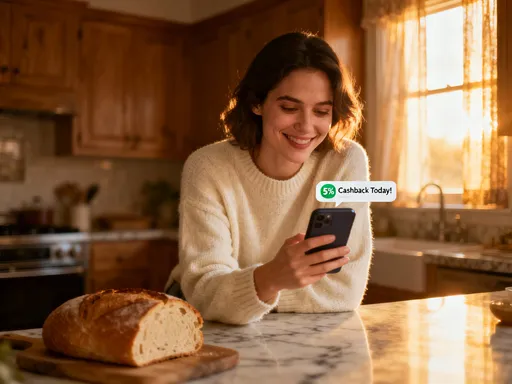
Here’s what my routine looks like now: On grocery day, I open the app while I’m in the parking lot. It shows me active offers at that store—maybe 5% back on household items or $2 off when I spend $20. I tap to activate, shop as usual, and within a few days, the cashback appears in my account. For online shopping, I’ve made it even easier. I use the app’s browser extension, so when I go to a partnered site, it reminds me to turn on cashback before I check out. I’ve caught myself so many times—about to click “purchase” and then remembering to open the app. That little pause has saved me dozens of dollars.
One thing I was nervous about was security. I didn’t want to link my card or share personal data. But I learned that reputable apps use bank-level encryption and don’t store sensitive information. They only get transaction data in a way that protects my privacy. I also set up two-factor authentication for extra safety. Once I felt confident, the whole process became effortless. And honestly? The peace of mind from knowing I’m earning without risk is worth the small setup time. It’s not about being tech-savvy—it’s about being smart with what you already do.
Turning Cents Into Something That Matters
Last year, I redeemed $317 in cashback. It didn’t change my life overnight—but it did cover my daughter’s school trip. That moment hit me hard. This wasn’t just about saving money; it was about creating opportunities. I started viewing each small reward as a brick in a bigger path—toward financial calm, confidence, and freedom. I no longer panic when unexpected costs arise. I know I have a quiet safety net, built not from sacrifice, but from smart, everyday choices. And that sense of control? That’s worth more than any dollar amount.
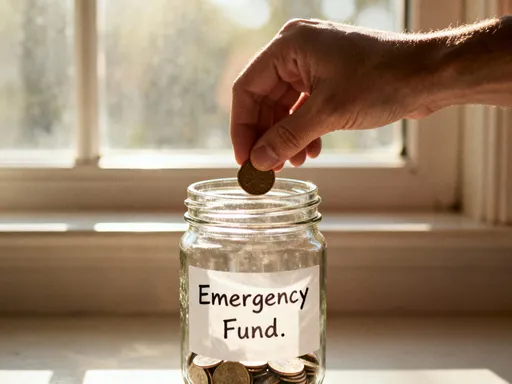
I used to dread surprise expenses—the vet bill, the school fundraiser, the broken kitchen appliance. Now, I still don’t love them, but I don’t fear them as much. I’ve started keeping a mental note of my cashback balance like a mini emergency fund. When something comes up, I check my app first. Last month, my washing machine needed a repair. The bill was $180. I had $63 in cashback saved—enough to cover the service fee and still have some left. It didn’t solve everything, but it took the edge off. That’s the real win: not getting rich, but feeling more secure.
What I love most is how this has changed my mindset. I’m more aware of where my money goes, but I’m not obsessed with cutting every corner. I still buy the coffee I enjoy, the skincare I trust, the gifts that make people smile. But now, those purchases feel more intentional. I’m not just spending—I’m investing in a little return. It’s a small shift, but it’s powerful. And over time, that awareness has spilled into other areas. I’ve started comparing prices more, planning meals better, and even renegotiating a few bills. The app didn’t fix everything, but it gave me a starting point—a sense that I’m not powerless.
Sharing the Habit: How My Family Started Saving Too
I didn’t push it on them—but when my partner saw me cash in enough for a weekend grocery run, he asked how it worked. I showed him how to get started, and now he uses the app for gas and tools. Even my teen daughter uses it for her favorite skincare brand. We don’t talk about it daily, but we smile when we share our “wins.” It’s become a quiet family habit—like setting the table or watering the plants. And it’s brought us closer, not just financially, but emotionally. We’re building a culture of awareness, one small reward at a time.
My daughter thought it was kind of “uncool” at first—until she earned $8 back on a $40 purchase and used it to buy a book she wanted. Now, she tells her friends about it. My partner used to roll his eyes at anything “app-related,” but when he got $15 back on a $100 gas fill-up, he admitted it was “not bad.” We’ve even started a little friendly competition—seeing who can earn the most in a month. It’s lighthearted, but it’s also teaching all of us to be more mindful. We’re not depriving ourselves—we’re just getting more from what we already do.
One of my favorite moments was when my mom visited and I showed her how to use the app. She’s on a fixed income and was skeptical, but after earning $12 on her monthly pharmacy run, she called me the next week saying, “I feel like I got a little bonus.” That’s when I realized this isn’t just about money—it’s about dignity. It’s about feeling like you’re in control, no matter your income level. It’s about small wins that add up to real confidence. And when you share that with the people you love, it becomes more than a tool—it becomes a connection.
Why This Isn’t Just a Trend—It’s a Lifestyle Shift
Cashback apps aren’t a get-rich-quick scheme. They’re a mindset. They’ve taught me to be more mindful, not just about spending, but about value. I’ve learned to ask: Can I get more from this purchase? That small question has changed how I interact with money. It’s not about greed—it’s about respect. Respect for my time, my choices, and my future. And in a world that often feels out of control, that quiet power makes all the difference.
This isn’t about becoming a coupon queen or a budgeting robot. It’s about working smarter, not harder. It’s about using technology to support your life, not complicate it. The app doesn’t judge me for buying coffee. It doesn’t shame me for treating myself. It just quietly says, “Hey, you’re already doing this—let’s make it count.” And that’s the kind of support I needed. It’s not loud or flashy. It’s steady. Reliable. Kind.
If you’re feeling stretched thin, if your money seems to disappear faster than you can earn it, I get it. I’ve been there. But what if the solution wasn’t about earning more or spending less—but about getting more from what you’re already doing? What if the small choices you make every day could quietly build a safer, calmer financial life? That’s what this app gave me. Not perfection. Not instant wealth. But progress. Peace. And the quiet joy of knowing I’m taking care of myself—and my family—one small win at a time.