Skyline Dreams and Steel Beauties: Houston’s Architectural Pulse
Ever walked through a city and felt like you were inside a living art gallery? Houston hit me like a visual thunderclap—its skyline isn’t just steel and glass, it’s a story in motion. From retrofuturistic towers to hidden courtyards wrapped in modernist design, every corner whispers innovation. The way light dances across mirrored façades at sunrise, or how a sudden patch of green appears between concrete giants, makes the urban landscape feel alive. If you’re chasing that perfect Instagram-worthy shot with soul, Houston’s architectural rhythm delivers. It’s not about scale alone—it’s about surprise, contrast, and the quiet beauty of thoughtful design. Let’s dive into a city where concrete dreams take shape.
First Impressions: Stepping into Houston’s Urban Canvas
Houston greets visitors not with a postcard-perfect skyline, but with an evolving, unapologetically diverse cityscape that feels both grounded and forward-looking. As you step into downtown, the first thing you notice isn’t just height, but variety. The JPMorgan Chase Tower rises with sleek precision, its reflective glass surface mirroring clouds and sky in shifting silver hues. Nearby, the Williams Tower complex stands in quiet contrast—its stepped silhouette and warm-toned stone cladding give it a sculptural quality that feels more like art than engineering. These aren’t just office buildings; they are statements of identity.
What makes Houston’s architectural landscape so compelling is its ability to balance scale with intimacy. Amid the towering structures, you’ll find unexpected moments of human scale: a tree-lined plaza tucked between two high-rises, a mosaic-tiled fountain in an underpass, or a quiet courtyard where sunlight filters through steel latticework. These spaces don’t just break up the urban density—they invite pause, reflection, and connection. For the observant traveler, especially those who appreciate design and detail, Houston rewards slow walking and curious eyes.
The city’s lack of zoning laws has often been cited as a reason for its eclectic mix, but that very freedom has allowed for organic growth and architectural experimentation. You won’t find a rigid grid of uniform towers here. Instead, buildings emerge in dialogue with one another—sometimes in harmony, sometimes in deliberate contrast. This dynamic tension gives Houston its visual energy. It’s a city that doesn’t hide its layers; it displays them proudly, from 1920s brick warehouses to 21st-century glass spires. For anyone who appreciates authenticity over polish, this is urban design at its most honest.
The Icons: Where Engineering Meets Aesthetic Drama
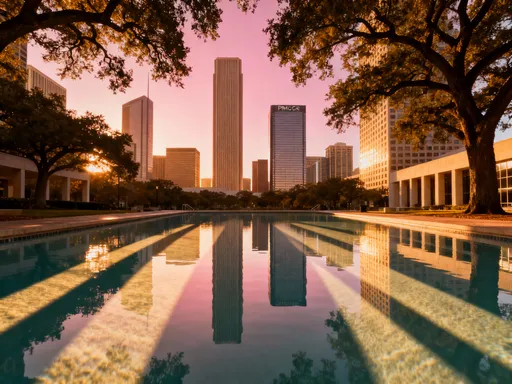
No conversation about Houston’s skyline is complete without the Williams Tower. Though not the tallest building in the city, it is arguably the most iconic. Standing at 64 stories in the Uptown district, its tiered design draws inspiration from ancient ziggurats, giving it a distinctive stepped profile that catches the eye from miles away. At night, its crown lights up in rotating colors, transforming the tower into a beacon of modern expression. For photographers, the view from the reflection pond at its base offers one of the most symmetrical and striking compositions in the city—a mirrored image of light, water, and architectural form.
Then there’s the JPMorgan Chase Tower, the tallest building in Texas at 75 stories. Its sleek, silver façade rises like a vertical mirror, capturing the ever-changing Houston sky. On clear days, its peak disappears into low-hanging clouds, creating the illusion of a structure that reaches beyond the atmosphere. The building’s design, rooted in late 20th-century modernism, emphasizes verticality and simplicity, using minimal ornamentation to let form speak for itself. It’s a study in restraint—a tower that commands attention not through flamboyance, but through presence.
Another standout is the BBVA Compass Plaza, a masterpiece of brutalist architecture that often surprises first-time visitors. Its rhythmic pattern of concrete bays creates a textured, almost musical façade. The building’s massiveness is balanced by its symmetry and proportion, proving that even the most imposing structures can feel harmonious. What makes it especially compelling for photography is the way light interacts with its deep recesses—early morning and late afternoon cast dramatic shadows that highlight its geometric rigor. These icons aren’t just functional spaces; they are visual anchors that define Houston’s architectural personality.
Hidden Gems: Modernist Courtyards and Unexpected Details
While the skyline captures the imagination, Houston’s true architectural soul lies in its quieter, often overlooked spaces. Venture beyond the main thoroughfares, and you’ll discover a network of interior plazas, glass atriums, and landscaped courtyards nestled within office complexes. These are not afterthoughts—they are intentional design elements meant to humanize the urban environment. The plaza surrounding the Williams Tower, for instance, is more than just green space; it’s a carefully composed environment where water, stone, and native plants create a sense of calm amid the bustle.
One of the most photogenic of these hidden spots is the reflection pool at Five Houston Center. Framed by low-rise office buildings and shaded by live oaks, the pool offers a perfectly still surface that captures the surrounding architecture in crisp detail. On still mornings, the image of the city is doubled—above and below—creating a surreal, almost dreamlike composition. The contrast between the hard lines of the buildings and the soft ripples of water makes for compelling visual storytelling, especially when captured in black and white.
Equally rewarding are the close-up details that reveal Houston’s attention to materiality and craft. Look closely at the façades of downtown buildings, and you’ll find geometric tiling, textured concrete, and contrasting stone and metal surfaces. The play of shadow and light across these surfaces changes throughout the day, offering endless variations for the patient observer. These details don’t shout for attention—they invite you to lean in, to look closer, to appreciate the subtleties that define great design. For photographers, these moments are gold: a rusted metal panel beside a polished glass wall, a row of repeating arches casting rhythmic shadows, or a single potted plant thriving on a concrete ledge.
Reinvention in Brick and Beam: Adaptive Reuse Projects
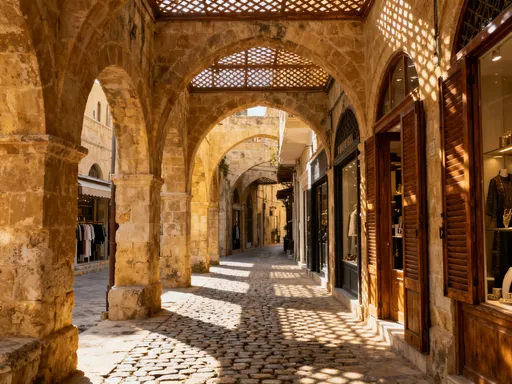
Houston has a growing respect for its architectural past, and nowhere is this more evident than in its adaptive reuse projects. In neighborhoods like EaDo (East Downtown) and the Old Sixth Ward, historic warehouses from the late 1800s and early 1900s have been transformed into vibrant mixed-use spaces. These buildings, once used for shipping and storage, now house art galleries, boutique offices, and ground-floor cafes. Their thick brick walls and timber beams remain exposed, serving as a visual reminder of the city’s industrial roots, while new glass infills and steel staircases add a contemporary layer.
One of the most celebrated examples is the Sawyer Yards complex. Once a manufacturing hub, it now serves as a creative campus for artists, designers, and small businesses. The site spans several blocks and includes restored brick buildings connected by open-air walkways and green spaces. What makes it so visually rich is the contrast between old and new—the weathered brick against sleek glass, the patina of aged metal beside polished concrete floors. For photography, it offers endless opportunities: wide-angle shots of courtyard compositions, close-ups of textured walls, or candid moments of creativity in progress.
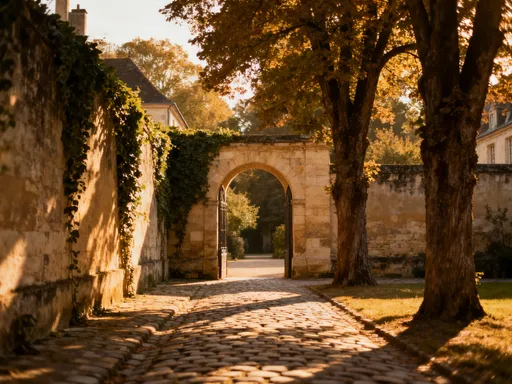
Another landmark of preservation is the Julia Ideson Building, Houston’s original central library, completed in 1926. With its Spanish Renaissance Revival architecture, ornate stonework, and arched loggias, it stands as a testament to early 20th-century civic pride. Though no longer the main library, it now functions as a historical archive and public event space. Its courtyard, shaded by live oaks and surrounded by intricate stonework, is a favorite among photographers seeking a timeless, almost European atmosphere. These projects show that Houston doesn’t erase its history—it reinterprets it, creating spaces that honor the past while serving the present.
The Green Frame: How Landscaping Elevates Architecture
In Houston, architecture and nature are not opposites—they are collaborators. Nowhere is this more evident than in Buffalo Bayou Park, a 160-acre green corridor that runs beneath the city’s major bridges. The park’s design is a masterclass in integration: elevated walkways snake beneath soaring concrete spans, turning infrastructure into art. From certain angles, the curve of a bridge echoes the flow of the water below, creating a seamless dialogue between human engineering and natural form. For photographers, the interplay of live oaks, water reflections, and skyline views offers dynamic compositions that change with the light and season.
The park’s landscaping is intentional and lush, featuring native plants, winding trails, and open lawns that invite both leisure and contemplation. At dawn, mist rises from the bayou, softening the edges of the city and creating a dreamy atmosphere. In the late afternoon, golden light filters through the trees, casting long shadows across the pathways. These moments transform the park into a living gallery where architecture is framed not by walls, but by nature. The result is a visual experience that feels both expansive and intimate—a rare balance in any urban setting.
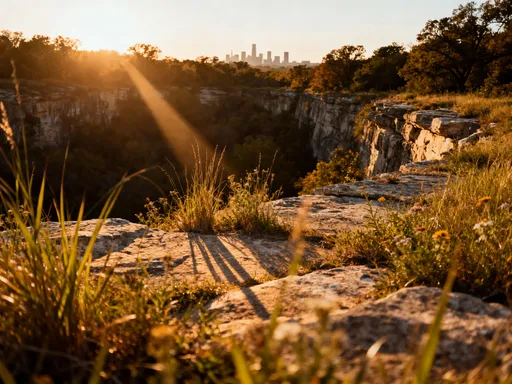
Equally powerful is the Houston Arboretum & Nature Center, located just west of the Loop. This 155-acre sanctuary offers boardwalks that wind through forests, wetlands, and prairies. From elevated platforms, you can capture mirror-like reflections of treetop canopies with the distant skyline rising in the background. These images—nature in the foreground, city in the distance—symbolize Houston’s unique identity: a metropolis that grows alongside, not over, its natural environment. The contrast between organic forms and geometric towers creates a visual tension that is both striking and meaningful, perfect for storytelling through photography.
Light, Shadow, and the Golden Hour Playbook
If architecture is form, then light is its voice. In Houston, the best moments for capturing the city’s essence come during the golden hours—shortly after sunrise and before sunset. At dawn, the Williams Tower Reflection Pond becomes a stage for perfect symmetry. With minimal wind and soft, angled light, the tower’s full height is mirrored in the still water, creating a composition that feels almost meditative. A tripod is essential here, as even the slightest movement can blur the reflection. Using a polarizing filter can also enhance contrast and reduce glare, especially on overcast mornings.
Later in the day, as the sun begins to lower, the Houston City Hall emerges as a compelling subject. Its undulating façade, made of precast concrete panels, comes alive with deep shadows and dramatic highlights. The curves of the building create a rhythm that changes with the sun’s angle, offering photographers a chance to explore pattern and texture. Shooting from a low angle emphasizes the building’s scale, while a wide aperture can isolate specific sections for a more abstract effect. These are not just snapshots—they are studies in how light shapes perception.
Night photography in Houston is equally rewarding, though it requires a different approach. Unlike cities known for neon and spectacle, Houston’s nighttime appeal lies in its subtlety. The city uses intelligent lighting design—soft glows from interior spaces, accent lights on façades, and the gentle radiance of illuminated signage. The Williams Tower’s color-changing crown is a standout, but even quieter buildings reveal their character after dark. Using long exposures on a tripod allows you to capture the smooth flow of car lights along freeways, creating streaks of light that contrast with the stillness of the architecture. For smartphone users, switching to HDR mode and using a stable surface can yield surprisingly professional results, especially in mixed lighting conditions.
Shooting with Purpose: Curating Your Houston Architecture Story
In the age of social media, it’s easy to fall into the trap of chasing the same popular shots. But the most memorable architectural photography goes beyond the checklist—it tells a story. In Houston, that story is one of contrast, resilience, and quiet innovation. Instead of aiming for every iconic landmark, consider building a narrative. Start at Discovery Green, a central park that serves as a microcosm of the city’s design philosophy. From here, you can capture wide shots of the skyline, intimate moments in the park’s gardens, and candid interactions between people and space.
Use the METRORail to gain elevated perspectives. Riding the Red Line through downtown offers unobstructed views of the skyline, especially at golden hour. The train’s windows act as natural frames, turning passing buildings into curated compositions. This mobile vantage point allows you to see the city in motion, revealing how architecture unfolds over time and space. It’s a reminder that cities are not static—they breathe, shift, and evolve.
As you explore, look for recurring themes: repetition in design, the contrast between old and new, or the way people interact with built environments. A lone figure walking beneath a massive overpass, a bicycle leaning against a historic brick wall, or sunlight hitting a modernist façade at just the right angle—these moments add humanity to your visual story. Always be mindful of private property and restricted areas; respect boundaries while still seeking creative angles. The goal is not just to document, but to interpret—to create a feed that reflects not just what Houston looks like, but how it feels.
Houston’s Blueprint for Visual Wonder
Houston’s architecture isn’t about grand statements or tourist traps. It’s a quiet, confident dialogue between innovation and identity, between past and future. It rewards curiosity, invites close looking, and offers endless frames for the mindful traveler. You don’t need to be a professional photographer to appreciate it—just someone who notices how light falls on a brick wall, how water reflects a skyline, or how a single tree thrives in an unexpected place.
What makes Houston different is its authenticity. It doesn’t try to be New York or Chicago. It embraces its sprawl, its diversity, its contradictions. You’ll find world-class design nestled beside unassuming neighborhoods, and historic charm reborn in modern contexts. This is a city that reveals itself in layers, not all at once. The more you walk, the more you see—the texture of a façade, the curve of a bridge, the way a courtyard feels at midday.
For the 30- to 55-year-old woman who values beauty with meaning—who appreciates design not for show, but for how it shapes experience—Houston offers a deeply satisfying journey. It’s a place where you can slow down, observe, and create something personal. Whether you’re tracing the lines of a forgotten building, capturing reflections at dawn, or simply sitting in a sunlit plaza with a notebook, the city meets you with quiet generosity. In a world of predictable skylines, Houston dares to be different—and that’s exactly why it’s worth your lens.