You Won't Believe Lahore Has These Natural Escapes
When you think of Lahore, bustling bazaars and Mughal forts probably come to mind—but what if I told you the city hides lush green escapes and peaceful natural spots? I was skeptical too, until I stepped into its serene gardens, tree-lined canals, and quiet riverside corners. Lahore’s natural side is a breath of fresh air, literally and figuratively. From centuries-old Mughal gardens to modern promenades winding beside the Ravi River, the city offers a surprising blend of history and horticulture. These spaces are not just decorative—they serve as sanctuaries for relaxation, reflection, and reconnection with nature. Let me take you through the green heartbeat of this vibrant city—places where nature and culture quietly coexist.
Reimagining Lahore: Beyond the Urban Hustle
Lahore is often celebrated for its rich cultural tapestry—its historic mosques, bustling Anarkali Bazaar, and legendary food streets draw visitors from across the globe. Yet beneath the energetic pulse of urban life lies a quieter, greener side of the city that many overlook. While the image of Lahore as a densely populated metropolis is accurate, it doesn’t tell the whole story. Scattered throughout its neighborhoods and along its riverbanks are natural oases that offer relief from noise, heat, and congestion. These spaces provide not only aesthetic beauty but also essential environmental and psychological benefits.
Exploring Lahore’s green spaces transforms the travel experience. Instead of navigating only through historical landmarks and crowded markets, visitors gain insight into how locals live, unwind, and connect with their surroundings. Green areas contribute to mental well-being by reducing stress and encouraging mindful movement—whether through a morning walk or quiet time under a tree. They also offer excellent opportunities for photography, where soft sunlight filters through leaves and reflections ripple across still water. For travelers seeking a balanced itinerary, these natural retreats add depth and contrast to Lahore’s more famous attractions.
What makes these spaces particularly valuable is their accessibility. Many are located within or just outside the city center, making them easy to include in a daily schedule. Unlike remote national parks or mountain getaways, Lahore’s natural spots are integrated into urban life, demonstrating how cities can coexist with nature when thoughtful planning is applied. By stepping into these areas, visitors don’t just escape the city—they see a different version of it, one where tradition and tranquility go hand in hand.
Shalimar Gardens: Where Mughal Grandeur Meets Nature
Among Lahore’s most iconic green spaces, the Shalimar Gardens stand as a masterpiece of Mughal landscape design. Built in 1641 by Emperor Shah Jahan, the same ruler behind the Taj Mahal, this UNESCO World Heritage Site was originally intended as a royal pleasure garden—a place for courtly entertainment, poetic gatherings, and leisurely strolls. Today, it remains one of the finest examples of Persian-style garden architecture in South Asia, laid out in three terraces that symbolize the Islamic concept of paradise. Each level serves a distinct purpose, from public reception areas to private royal chambers, all connected by flowing water channels and lined with fountains.
The garden’s design emphasizes harmony between architecture and nature. Water plays a central role, flowing from the upper terrace down through marble cascades into pools below, creating both visual beauty and a cooling effect in Lahore’s hot climate. Rows of cypress trees frame pathways, while flowering plants like jasmine and roses add fragrance and color, especially in spring. The interplay of light, sound, and scent creates an immersive experience that feels timeless. Even during peak hours, certain corners—particularly near the central baradari (pavilion)—offer moments of solitude amid the grandeur.
For visitors, timing is key to fully enjoying Shalimar Gardens. Early mornings, especially between October and March, provide the most comfortable temperatures and softer light for photography. Weekdays tend to be less crowded than weekends, when families often gather for picnics. While entry fees are nominal, they contribute to ongoing preservation efforts. Comfortable walking shoes are recommended due to the expansive layout, and carrying water is advisable during warmer months. Although the site has undergone restoration, some sections still bear signs of age, adding to its historical authenticity.
What sets Shalimar Gardens apart is its dual identity—as both a tourist destination and a living part of Lahore’s cultural memory. Locals visit not only for recreation but also to honor heritage, often bringing children to teach them about Mughal history. This blend of education, relaxation, and aesthetic appreciation makes the gardens more than just a scenic spot; they are a bridge between past and present, where nature continues to play a sacred role in human expression.
Lahore Canal: A Green Ribbon Through the City
Running parallel to several major roads, the Lahore Canal has been transformed from a functional irrigation channel into one of the city’s most inviting public greenways. Lined with manicured lawns, flowering shrubs, and shaded walkways, the canal’s promenade stretches for kilometers, offering a continuous green corridor through otherwise busy urban zones. Along its length, visitors encounter landscaped parks, fitness stations, and quiet seating areas tucked beneath trees—spaces designed for relaxation, exercise, and social connection. The project, initiated in the early 2000s, aimed to improve urban air quality, reduce heat island effects, and provide accessible recreation for all residents.
One of the most striking features of the Lahore Canal is its ability to create microclimates within the city. The combination of flowing water and dense vegetation helps lower ambient temperatures, making it noticeably cooler than surrounding streets. This cooling effect is especially welcome during Lahore’s long, hot summers, when temperatures frequently exceed 40°C. Early risers and evening strollers alike take advantage of this natural relief, filling the pathways with joggers, cyclists, and families enjoying the breeze. Birdwatchers may spot kingfishers, wagtails, and bee-eaters flitting among the reeds, adding a touch of wildlife to the urban landscape.
Access points are conveniently located near major neighborhoods such as Gulberg, Township, and Garden Town, making the canal easy to reach by foot, rickshaw, or car. Parking is available at designated lots, though public transport users can combine bus or metro routes with short walks to the promenade. The Lahore Development Authority maintains the area with regular cleaning, landscaping, and lighting, ensuring safety and cleanliness. Benches and drinking fountains are spaced at intervals, and signage provides information about plant species and conservation efforts.
For travelers, the Lahore Canal offers a gentle way to experience daily life in the city. Unlike formal tourist sites, it functions as a true community space—where grandparents chat on benches, teenagers play cricket on open lawns, and couples take evening walks. Respecting local customs, such as modest dress and avoiding loud behavior, ensures a welcoming atmosphere for all. Whether used for a 30-minute stroll or a full afternoon of exploration, the canal presents a refreshing counterpoint to Lahore’s more intense urban rhythms.
Jallo Park: A Wilder Escape on the Outskirts
For those seeking a more expansive and natural environment, Jallo Park offers a refreshing departure from Lahore’s structured gardens and paved promenades. Located along the banks of the Ravi River on the city’s eastern edge, this large recreational area combines forested zones, open meadows, and riverfront trails into a single, dynamic landscape. Originally developed as a public park in the 1970s, Jallo has evolved into a destination for picnics, nature walks, and outdoor gatherings. Its relatively undeveloped character—compared to formal Mughal gardens—gives it a wilder, more spontaneous feel, appealing to visitors who crave unstructured time in nature.
The park’s ecosystem supports a variety of plant and animal life. Native trees such as keekar (Acacia nilotica) and pipal provide shade and habitat, while seasonal flooding enriches the soil along the riverbanks. Birdwatchers may spot doves, lapwings, and even migratory species during winter months. The presence of the Ravi, though diminished in flow compared to past decades, still contributes to the area’s ecological value. Informal trails wind through grasslands and groves, inviting exploration without rigid paths or heavy signage—a rarity in urban parks.
Visitors typically arrive by private vehicle or taxi, as public transportation options are limited. Entry fees are minimal, and parking is available near the main gates. Facilities include basic restrooms, food stalls serving local snacks, and designated picnic areas with tables and shelters. Families often bring their own meals, spreading out on mats under trees for full-day outings. Playgrounds and small amusement rides cater to children, making it a popular weekend destination for parents seeking affordable entertainment.
Because of its size and natural layout, Jallo Park encourages active engagement with the environment. Unlike more curated spaces, it allows for free movement and personal discovery—whether flying kites on open fields, sketching landscapes, or simply lying beneath trees to listen to the wind. However, visitors should come prepared: carrying water, sunscreen, and insect repellent is advisable, especially in warmer months. While the park is generally safe, sticking to well-used areas and avoiding isolated spots after dark is recommended. For those wanting to escape the city’s intensity without traveling far, Jallo Park offers a genuine sense of wilderness within reach.
Ravi Riverside: The City’s Underrated Natural Edge
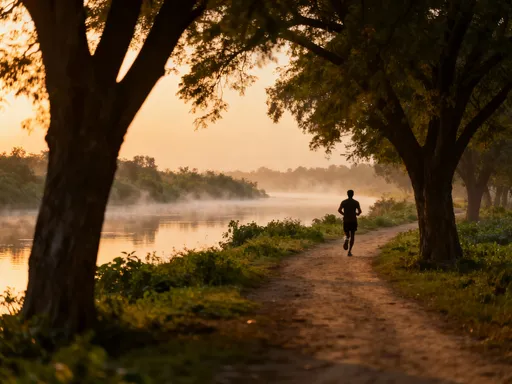
Along Lahore’s eastern boundary, the Ravi River forms a natural frontier that has long shaped the city’s geography and identity. Though historically prone to seasonal flooding, the river today flows at a reduced volume due to upstream water management. Despite these changes, its banks remain one of Lahore’s most underappreciated natural assets. Stretching across wide expanses of sandy and grassy terrain, the riverside offers open skies, gentle breezes, and a rare sense of solitude in an otherwise densely built environment. Early morning visitors are often greeted by joggers, birders, and photographers capturing the golden hues of sunrise over the water.
While parts of the Ravi’s banks are undeveloped, others have seen recent investments in green infrastructure. Projects like the Ravi Urban Development Authority initiative aim to restore ecological balance, prevent erosion, and create public access points. These efforts include planting native vegetation, constructing walking trails, and installing viewing platforms. Though still in progress, the transformation is already visible in certain zones, where once-barren land now supports greenery and wildlife. Environmentalists emphasize the importance of sustainable development to protect the river’s fragile ecosystem while enhancing public enjoyment.
For travelers, the Ravi Riverside offers a chance to witness Lahore’s evolving relationship with nature. Unlike manicured parks, this space feels raw and authentic—where cracked earth meets new growth, and city sounds fade into the rustle of reeds. It’s a place for contemplation, where one can sit on the bank and watch egrets wade through shallow water or notice how the light shifts across the sand. Local residents use the area for quiet reflection, morning exercise, and informal sports, often gathering in small groups away from commercial distractions.
Access varies depending on the section. Some areas are easily reached via main roads like Ravi Road or Canal Bank Road, while others require navigating smaller lanes. There are no formal entry fees or ticketing systems, but visitors should exercise caution near unstable riverbanks, especially after rain. Bringing reusable water bottles and avoiding littering helps support ongoing conservation. By visiting responsibly, travelers contribute to the preservation of this unique urban-natural interface—a space that reminds us that even rivers in decline can inspire hope and renewal.
Hidden Neighborhood Green Spaces
Beyond the major parks and riverside corridors, Lahore’s residential neighborhoods harbor smaller, often overlooked green pockets that enhance daily life for residents. Areas such as DHA (Defence Housing Authority), Gulberg, and Model Town feature tree-lined avenues, landscaped roundabouts, and compact neighborhood parks that serve as breathing spaces within dense urban fabric. These spaces may not appear on tourist maps, but they play a vital role in improving air quality, reducing noise pollution, and providing accessible recreation. For visitors willing to explore beyond central attractions, these quiet corners offer intimate glimpses into local lifestyles and community values.
In DHA, for instance, wide boulevards are shaded by rows of neem and jacaranda trees, their canopies forming green tunnels that cool the streets below. Small parks with walking paths, benches, and exercise equipment are strategically placed, encouraging residents to step outside and stay active. Similarly, in Gulberg, traffic islands and median strips are landscaped with seasonal flowers, turning functional spaces into miniature gardens. These design choices reflect a growing awareness of the importance of urban greening, even in private housing schemes.
Travelers can respectfully explore these areas by walking or cycling during daylight hours, being mindful of privacy and local norms. Engaging with shopkeepers or café staff in these neighborhoods often leads to informal recommendations—perhaps a favorite corner park or a scenic viewpoint along a tree-lined lane. While these spaces are not intended for tourism, their presence enriches the overall experience of the city, revealing how greenery is woven into the everyday rhythm of Lahore.
What makes these hidden green spaces powerful is their cumulative effect. Individually, they may seem minor, but together they form a network of relief points that improve quality of life. They demonstrate that nature doesn’t need to be grand or remote to be meaningful—it can thrive in small, sustained interventions. For visitors, appreciating these subtle touches adds nuance to their understanding of Lahore as a city that values both heritage and habitability.
Why Natural Areas Matter in a Historic City
Lahore’s identity is deeply rooted in history, art, and architecture—but its green spaces reveal another dimension of its character. These natural areas are not mere add-ons or decorative afterthoughts; they are essential components of the city’s soul. They provide balance—between movement and stillness, noise and silence, tradition and renewal. In a place where centuries-old monuments tell stories of empires and faith, gardens and riverside paths speak of continuity, resilience, and the enduring human need for connection with the natural world.
From a practical standpoint, green spaces improve public health by encouraging physical activity, reducing stress, and filtering air pollutants. They also foster social cohesion, offering neutral grounds where people from different backgrounds can gather, interact, and build community. Culturally, they reflect enduring values—Mughal gardens were designed as representations of paradise, while modern parks echo the same desire for beauty, order, and spiritual refreshment. In this way, Lahore’s natural spots are not separate from its heritage—they are an extension of it.
For travelers, seeking out these spaces leads to a more complete and meaningful experience. Rather than viewing the city solely through the lens of tourism, visitors begin to feel its pulse—the way people live, relax, and find joy in simple pleasures. A walk through Shalimar Gardens becomes not just a sightseeing stop, but a meditation on design and legacy. A stroll along the Lahore Canal turns into a quiet observation of daily rhythms. Each green space invites a slower pace, a deeper breath, and a renewed sense of presence.
Moreover, supporting these areas—by visiting responsibly, respecting rules, and minimizing environmental impact—contributes to their preservation. As cities worldwide face challenges of climate change and urbanization, Lahore’s green spaces stand as reminders that nature can thrive even in the busiest environments, provided it is valued and protected. They are not just escapes from the city—they are proof of its vitality.
Lahore’s natural areas offer more than just shade and scenery—they invite connection, reflection, and a slower pace. By stepping into these green sanctuaries, visitors don’t just see another side of the city; they feel it. The real magic? Discovering that even in a bustling metropolis, nature finds a way to thrive.