You Won’t Believe What Happens When You Drive to Nazca’s Festival Season
Driving into Nazca during festival season feels like stepping into a vibrant dream. The desert air hums with music, colors explode across the streets, and locals welcome you like family. I didn’t expect much beyond the famous lines from the air—but on the ground, during their annual celebrations, Nazca comes alive in ways no tour guide prepares you for. This is travel at its most authentic: raw, rhythmic, and real.
Why Nazca? More Than Just Lines in the Sand
The Nazca Lines have long captured global imagination, drawing visitors from every corner of the world to peer down from small aircraft at colossal geoglyphs etched into the arid plateau. These ancient designs—depicting hummingbirds, spiders, and spirals—have sparked decades of archaeological debate and wonder. Yet, for all the attention given to these silent figures on the ground, far less is known about the living, breathing culture that thrives atop the same soil. Nazca is not merely a historical site frozen in time; it is a dynamic community with traditions that pulse through its streets, especially during festival season.
Most tourists experience Nazca in passing—booked on brief flight tours that last under an hour, then quickly moving on to the next destination. While these aerial views offer undeniable awe, they often leave travelers disconnected from the region’s deeper rhythm. The true soul of Nazca reveals itself not from 1,500 feet above, but at street level, where music spills from open windows, children dance in handmade costumes, and elders share stories over steaming cups of herbal tea. To access this dimension, one must slow down—and there is no better way than arriving by car.
Self-driving through southern Peru unlocks a kind of intimacy that organized group tours rarely provide. It allows travelers to set their own pace, pause at unexpected roadside markets, and follow local recommendations without rigid itineraries. More importantly, driving grants access to intimate cultural moments: a spontaneous dance in a village square, a blessing ceremony outside a small chapel, or a shared meal with a farming family who invites you in out of simple kindness. These are not staged performances; they are everyday expressions of faith, history, and community.
For those seeking more than checklist tourism, Nazca’s festival season offers a rare opportunity to witness heritage in motion. By choosing to drive, visitors align themselves with the natural flow of local life, entering not as spectators, but as respectful guests. The journey becomes part of the celebration, each mile bringing not just geographical closeness, but cultural proximity. In a world where many destinations feel commercialized or oversaturated, Nazca remains refreshingly unfiltered—especially when approached with curiosity and humility.
The Heartbeat of the Desert: Nazca’s Festival Culture
At the core of Nazca’s cultural vitality lies its festival calendar, a vibrant tapestry woven from centuries of indigenous Andean beliefs and Spanish colonial influences. Among the most significant is the Fiesta de la Virgen de la Asunción, held each year in mid-August. This nine-day celebration honors the Assumption of the Virgin Mary, a cornerstone of Catholic devotion, yet it is deeply infused with pre-Columbian spiritual elements. The result is a unique fusion where reverence and revelry coexist, creating an atmosphere both sacred and joyous.
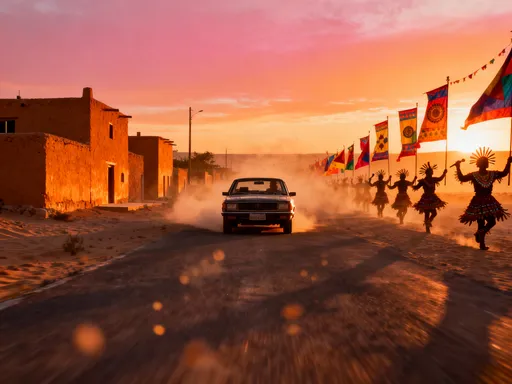
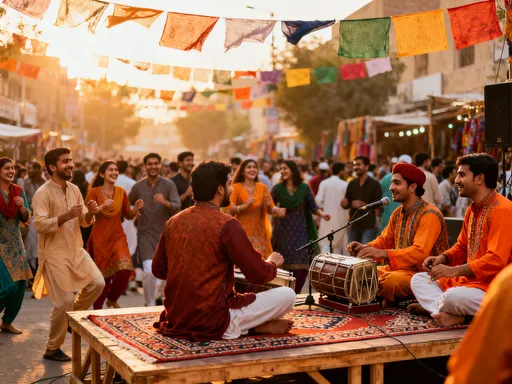
As dawn breaks on the first day of the festival, church bells echo across the desert town, calling residents and visitors alike to morning mass. The air carries the scent of incense and fresh flowers as processions form, led by robed clergy and local dignitaries. But it is the arrival of the dancers that transforms the streets into a living canvas of movement and color. Groups dressed in elaborate costumes—feathers, sequins, and masks depicting devils, angels, and ancestral figures—perform traditional dances such as the Diablada and Morenada. These dances are not merely entertainment; they are acts of devotion, storytelling, and identity.
The Diablada, or 'Dance of the Devils,' symbolizes the eternal struggle between good and evil, with dancers portraying fallen angels and demonic figures subdued by archangels. Each step, gesture, and musical note follows a precise tradition passed down through generations. The Morenada, believed to originate from the colonial mining era, honors the resilience of indigenous laborers through rhythmic drumming and swaying movements that mimic the burden of carrying heavy loads. Both dances are physically demanding and spiritually significant, requiring months of preparation and deep communal commitment.
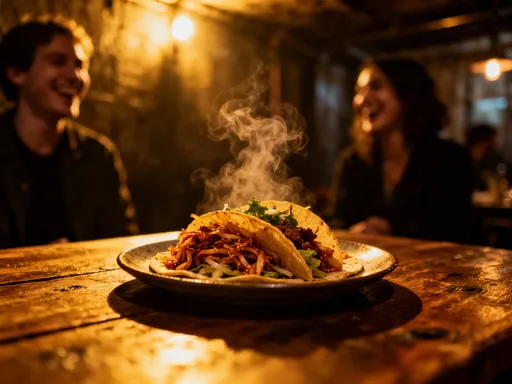
Alongside the performances, food becomes a central thread of connection. Stalls line the plaza, offering regional specialties such as tamales nazqueños—steamed corn dough filled with pork and spices, wrapped in banana leaves—and quinoa-based stews simmered with local herbs. Fresh fruit juices, made from lúcuma and passionfruit, cool the midday heat. Sharing meals is a ritual in itself, reinforcing bonds between families, neighbors, and even strangers welcomed into the fold.
What makes these festivals so powerful is not just their scale or spectacle, but their emotional authenticity. There is no separation between performer and audience; everyone is invited to participate, whether by clapping along, joining a dance circle, or simply standing in quiet reverence. The desert, often seen as barren and inhospitable, becomes a vessel for human warmth, creativity, and faith. For travelers lucky enough to witness this, the experience transcends tourism—it becomes a moment of shared humanity.
Self-Driving Through Southern Peru: Route Planning Made Real
Reaching Nazca by car is not just a means of transportation—it is the beginning of the journey’s narrative. The most common starting point is Lima, approximately 430 kilometers to the north, or Arequipa, located about 400 kilometers to the southeast. Both routes offer distinct landscapes and cultural touchpoints, allowing travelers to gradually acclimate to the shifting terrain of southern Peru. The drive from Lima follows the Pan-American Highway south, a well-maintained two-lane road that hugs the Pacific coast before cutting inland toward the high desert.
Travelers should anticipate a journey of six to seven hours from Lima, depending on stops and traffic conditions near the capital. While the highway is generally safe and clearly marked, sections can be narrow, especially near small towns where livestock occasionally wander onto the road. It is advisable to avoid night driving due to limited lighting and unpredictable animal crossings. For those departing from Arequipa, the route traverses high-altitude plains before descending into the warmer, drier climate of the Nazca region—a transition that underscores the country’s dramatic geographical diversity.
Along the way, several towns offer rewarding detours. Ica, located about halfway between Lima and Nazca, is renowned for its pisco production and fertile vineyards. Visitors can stop at a local hacienda for a tasting of Peru’s national spirit, often accompanied by fresh cheese and olives grown on-site. Pisco itself, a coastal town named after the famous brandy, features a charming plaza and access to the Paracas National Reserve, where flamingos wade in shallow lagoons and sea lions bark on rocky shores. These pauses do not delay the journey; rather, they enrich it, turning a simple drive into a layered exploration of coastal Peru.
When selecting a vehicle, a compact SUV or sedan with good ground clearance is ideal. While major roads are paved, access to certain archaeological sites or rural homestays may require short stretches of unpaved road. Renting a car with GPS navigation is highly recommended, though travelers should download offline maps in advance, as cellular coverage can be spotty in remote areas. Purchasing a local SIM card upon arrival in Lima or Arequipa ensures access to real-time traffic updates and emergency services.
Fuel stations are available in all major towns, but it is wise to refill whenever possible, particularly before leaving Ica or Pisco. Carrying water, snacks, and a basic emergency kit—including a flashlight, first aid supplies, and a spare tire—is essential for comfort and safety. With careful planning, the drive to Nazca becomes not just manageable, but memorable—a steady progression from urban coast to ancient desert, each kilometer deepening the sense of anticipation.
Festival Timing & Local Rhythms: When to Go, Where to Be
Timing is everything when planning a self-drive pilgrimage to Nazca’s festival season. While the region can be visited year-round, the period between late July and mid-August stands out as the cultural peak. This window aligns with Peru’s winter months, which bring cooler temperatures and clearer skies—ideal conditions for both driving and outdoor celebrations. The climax is the Fiesta de la Virgen de la Asunción, which typically begins on August 1st and culminates on the 15th with a grand procession and fireworks display.
Travelers aiming to fully immerse themselves should arrive at least three to four days before the main festivities begin. This allows time to settle in, explore the town, and build rapport with locals. Accommodations in Nazca range from modest guesthouses to family-run hostels, many clustered around the central plaza. Given the influx of regional visitors during the festival, rooms book up quickly. It is strongly advised to reserve lodging at least two months in advance, particularly if seeking a homestay experience, which offers deeper cultural exchange.
Staying near the plaza places visitors at the heart of the action. From this vantage point, one can observe daily preparations—the stringing of colorful banners, the rehearsal of dance troupes, the setting up of food stalls. Mornings often begin with religious ceremonies at the Cathedral of St. Bartholomew, while afternoons fill with music and informal gatherings. Evenings transform the town into a luminous stage, with lights strung across streets and impromptu performances breaking out in unexpected corners.
To balance festival participation with sightseeing, strategic planning is key. Early morning flights to view the Nazca Lines are best scheduled on non-festival days, when air traffic is lighter and pilots can offer more detailed commentary. Alternatively, the adjacent viewing tower along Route 40 provides a ground-level perspective of several major geoglyphs, including the famous hands and tree designs. Visiting the tower in the late afternoon avoids midday heat and offers a peaceful counterpoint to the festival’s energy.
Equally important is respecting local rhythms. While the festival is joyful and inclusive, it is first and foremost a religious and communal event. Visitors should observe quietly during sacred moments, refrain from intrusive photography, and follow the lead of residents. By aligning with the town’s natural pace—rising early, resting during peak heat, and engaging warmly but respectfully—travelers demonstrate appreciation that is often reciprocated with open arms.
Beyond the Celebration: Hidden Gems Only Drivers Can Reach
One of the greatest advantages of self-driving is the freedom to explore beyond the festival grounds. While the streets of Nazca buzz with activity, the surrounding desert holds quieter, equally profound treasures accessible only by car. Among the most compelling is the Chauchilla Cemetery, located about 30 kilometers southeast of town. This ancient burial site, used by the Nazca people between 200 BC and 900 AD, offers a rare glimpse into pre-Incan funerary practices.
What makes Chauchilla remarkable is not just its age, but the preservation of its remains. Due to the region’s extremely dry climate, many skeletons retain hair, skin, and clothing fragments. The bodies were buried in seated positions, wrapped in cotton cloth and accompanied by pottery, tools, and offerings. While the site was once vulnerable to looting, it is now protected by the Peruvian government, and guided tours emphasize both archaeological significance and cultural respect. Standing among these centuries-old graves, one feels a deep connection to the people who once thrived in this harsh landscape.
Another essential stop is Cahuachi, a vast ceremonial complex that served as the spiritual center of the Nazca civilization. Spread across a series of adobe pyramids and plazas, Cahuachi reveals the architectural ingenuity of a culture deeply attuned to astronomy and ritual. Archaeological evidence suggests that the site was used primarily for religious gatherings rather than permanent habitation, reinforcing the idea that spirituality was central to Nazca life—a continuity that persists in today’s festivals.
Lesser-known but equally fascinating are the remnants of ancient aqueducts, known locally as *puquios*. These underground channels, some still functional after two millennia, demonstrate the Nazca people’s advanced understanding of hydrology. Built to transport water from distant aquifers to arid settlements, the puquios are engineering marvels that reflect a harmonious relationship with the environment. Visiting them offers a quiet moment of reflection on human resilience and innovation.
What ties these sites together is their context. When seen in isolation, they might appear as static relics. But when visited during festival season, they resonate with living tradition. The dances performed today echo the movements of ancient rituals; the songs carry melodies that may have once echoed through Cahuachi’s plazas. Driving from one site to the next, travelers begin to see the desert not as empty, but as layered with meaning—a continuum of belief, adaptation, and celebration.
Responsible Travel: Respecting Culture, Supporting Locals
As interest in experiential travel grows, so does the responsibility to engage with communities ethically. In Nazca, where cultural traditions remain strong and somewhat insulated from mass tourism, respectful behavior is not just appreciated—it is expected. The festival is not a performance for outsiders; it is a sacred expression of identity. Visitors must approach it with humility, recognizing that they are guests in a deeply rooted spiritual practice.
One of the simplest yet most impactful ways to show respect is by asking permission before taking photographs, especially during religious ceremonies or intimate family moments. While many locals are happy to pose, some rituals are not meant to be captured through a lens. Similarly, dressing modestly—covering shoulders and knees when entering churches or attending processions—demonstrates cultural sensitivity. Learning a few basic phrases in Quechua, such as *riku* (to see) or *sulpayki* (thank you), can go a long way in building rapport.
Economically, travelers can support the community by purchasing food, crafts, and souvenirs directly from vendors in the plaza. These small transactions sustain local families and preserve traditional skills, from textile weaving to ceramic making. Opting for homestays or family-run guesthouses over international hotel chains keeps tourism income within the community. Even choosing to eat at small restaurants rather than familiar chains contributes to a more equitable distribution of benefits.
Environmental responsibility is equally critical. The Nazca desert is a fragile ecosystem, vulnerable to pollution and erosion. Travelers should carry reusable water bottles, avoid littering, and refrain from removing stones or artifacts from archaeological sites. When driving, sticking to marked roads prevents damage to ancient surfaces and protects sensitive habitats. Organized clean-up efforts, sometimes led by local youth groups during the festival, offer opportunities for visitors to give back.
Ultimately, responsible travel is about reciprocity. It is not enough to take memories; one must also leave behind respect, care, and support. By traveling mindfully, visitors help ensure that Nazca’s culture continues to thrive for generations to come—not as a museum exhibit, but as a living, evolving tradition.
Why This Journey Stays With You
Long after the music fades and the desert dust has been washed from your shoes, the journey to Nazca during festival season lingers in the mind like a favorite song. It is not the kind of trip measured in photos or souvenirs, but in moments of connection: the elderly woman who handed you a tamale with a smile, the child who taught you a dance step, the shared silence during a candlelit vigil. These are the imprints that remain, subtle but enduring.
What sets this experience apart is its depth. Unlike fly-in tours that skim the surface, a self-driven pilgrimage allows for immersion—not just in place, but in time. You are not merely observing culture; you are moving within its rhythm, shaped by its pace, nourished by its generosity. The road becomes a metaphor for openness, each kilometer stripping away assumptions and revealing a more nuanced understanding of Peru’s heartland.
There is also a quiet transformation that occurs in the traveler. The desert, with its vast skies and minimal distractions, invites introspection. The simplicity of life in Nazca—where celebration arises not from excess, but from community and faith—offers a powerful contrast to the noise of modern living. Many who make this journey report a renewed sense of clarity, a recalibration of what truly matters.
In a world increasingly defined by speed and convenience, the decision to drive to Nazca during festival season is a quiet act of resistance. It says that some experiences are worth the effort, that understanding requires patience, and that the most meaningful connections are built slowly, one respectful gesture at a time. This is not just travel—it is a return to the essence of why we explore: to see, to listen, and to belong, however briefly, to something greater than ourselves.