You Won’t Believe These Hidden Terrains in Dallas
When you think of Dallas, skyscrapers and cowboy boots probably come to mind—but what if I told you the city hides wild, unexpected terrains? I stumbled upon these secret landscapes while exploring off the usual path and was blown away. From rugged creek trails to silent limestone bluffs, Dallas offers a side most never see. This isn’t just concrete and commerce—it’s nature quietly thriving in the urban sprawl. Beneath the hum of highways and the glow of downtown lights lies a network of green corridors, ancient rock formations, and wildflower-dappled hills that tell a different story of North Texas. This is a city shaped not only by progress but by time, water, and geology.
Reimagining Dallas: Beyond the Urban Skyline
Dallas is often celebrated for its bold skyline, bustling business districts, and vibrant cultural scene. It’s a city associated with innovation, energy, and modernity. Tourists arrive expecting shopping malls, barbecue joints, and the glint of polished downtown towers. Yet beneath this familiar surface lies a quieter, more enduring layer—one shaped by natural forces long before steel beams rose into the sky. The city’s terrain is far more varied than its flat reputation suggests, with subtle but significant changes in elevation, hidden waterways, and geological features that defy the stereotype of endless prairie.
Long before Dallas became a hub of commerce, it was shaped by the Trinity River and its tributaries, which carved deep paths through the land over millennia. These waterways created natural divides, forming ravines and bluffs that still influence the city’s layout today. The convergence of prairie, woodland, and river ecosystems has given rise to micro-environments where deer, foxes, and over 300 species of birds now coexist with urban life. This duality—city and wildness—defines a lesser-known Dallas, one that rewards those who look beyond the surface.
What makes this hidden geography so compelling is its contrast. A short walk from a busy intersection can lead you down a shaded trail where the only sounds are rustling leaves and distant bird calls. The shift is subtle but profound: the air cools, the light filters differently through the trees, and the pace of life slows. This is not wilderness in the traditional sense, but it is wild in spirit—untamed patches of land preserved within a sprawling metropolis. Reimagining Dallas means recognizing that the city’s identity isn’t just built; it’s grown, shaped by both human ambition and the quiet persistence of nature.
The Secret Life of Dallas’s Creeks and Ravines
At the heart of Dallas’s hidden terrain network are its creeks and ravines—quiet arteries that pulse through neighborhoods, often unnoticed. White Rock Creek, one of the most extensive, stretches over 15 miles from Plano through North Dallas into the Trinity River basin. Along its path, it carves through layers of clay and limestone, forming steep-sided ravines lined with sycamore, cedar elm, and pecan trees. These corridors are more than drainage channels; they are living landscapes, rich with biodiversity and accessible to anyone willing to step off the sidewalk.
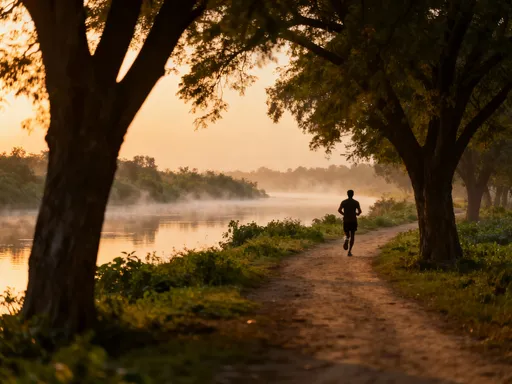
Walking along the White Rock Creek Trail, especially in the early morning, feels like entering another world. Sunlight filters through a dense canopy, dappling the trail in gold and shadow. The air carries the scent of damp earth and wild mint. Birdsong echoes from the treetops—cardinals, warblers, and the occasional red-shouldered hawk circling above. In spring, the creek swells with rainwater, turning quiet bends into rushing streams, while in drier months, it reveals rocky beds and shallow pools where dragonflies hover. These shifts in water flow create dynamic habitats, supporting amphibians, freshwater mussels, and even the occasional beaver.
The Trinity River corridor, though broader and more engineered in parts, also holds pockets of natural beauty. The Great Trinity Forest, one of the largest urban bottomland forests in the United States, spans over 6,000 acres within Dallas city limits. Here, the terrain dips and rises with the floodplain, creating a mosaic of wetlands, hardwood forests, and open meadows. Trails like the Ten Mile Run and the Elm Fork Greenbelt offer access to this hidden world, where herons stalk shallow waters and monarch butterflies drift through milkweed fields. These spaces are not manicured parks but resilient ecosystems, adapting to both seasonal changes and urban pressures.
What makes these creek systems so valuable is not just their ecological role but their ability to offer solitude. In a city that moves fast, these ravines provide a rare chance to slow down. Parents walk with strollers, joggers pause for breath, and photographers wait patiently for the perfect light. Yet despite their proximity to homes and highways, these areas feel secluded, buffered by dense vegetation and the natural acoustics of the terrain. They are proof that even in a major city, nature can carve out space for quiet reflection.
Exploring the Limestone Bluffs of North Dallas
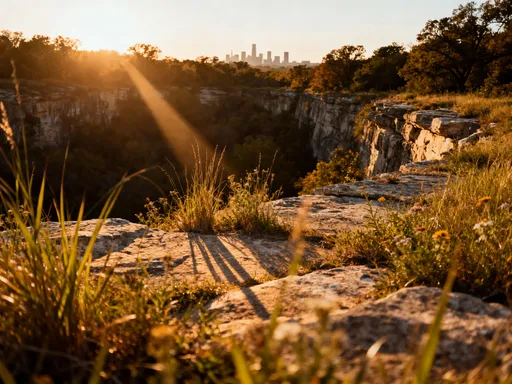
One of the most surprising features of Dallas’s landscape is the presence of limestone bluffs—subtle but distinct ridges that rise from the otherwise flat terrain. Found primarily in neighborhoods like Preston Hollow, Love Field, and parts of Northwest Dallas, these formations are remnants of an ancient seabed that once covered much of Texas. Over millions of years, erosion and tectonic shifts exposed layers of Glen Rose limestone, creating rocky outcrops, shallow cliffs, and elevated viewpoints that offer rare panoramas of the city.
These bluffs are not towering mountains, but their presence is significant. A hike along the trails near Bachman Lake or within the Dallas Parks system reveals sudden changes in elevation—sometimes just 20 or 30 feet, but enough to alter the view and the experience. At sunrise, the limestone catches the light, glowing a soft amber, while in the rain, it glistens like wet bone. The rock is often exposed at trail edges, revealing fossilized impressions of prehistoric shells and coral, silent witnesses to a time when this land was underwater.
One of the best places to experience this geology is in the lesser-known trails of Valley Ranch or along the ridges near the Elm Fork of the Trinity River. Here, the terrain undulates gently, creating natural amphitheaters and sheltered clearings. These areas are often overlooked, tucked behind residential developments or accessible only by footpaths, but they offer some of the most scenic and peaceful walks in the city. The bluffs also play a practical role—acting as natural drainage divides and supporting drought-resistant native plants like yucca and prickly pear cactus.
What makes these formations special is their quiet persistence. Unlike the flashy architecture of downtown, the bluffs do not announce themselves. They are subtle, enduring, and easily missed. Yet for those who seek them, they offer a tangible connection to deep time. Standing on a limestone ledge, looking out over a treetop canopy, one gains a new perspective—not just of the city, but of the Earth itself, slowly shaping and reshaping the land beneath our feet.
Parks That Reveal Dallas’s Wild Side
Dallas is home to over 400 parks, but not all are created equal when it comes to showcasing the city’s natural terrain. Some are flat, manicured lawns with playgrounds and picnic tables—perfect for family gatherings but not reflective of the region’s ecological diversity. Others, however, have been intentionally designed or preserved to highlight the land’s inherent character. These parks embrace rolling hills, native grasslands, and seasonal wildflower displays, offering a glimpse into what North Texas looked like before development.
The LBJ Wildflower Preserve is one such gem. Spanning 68 acres in North Dallas, it is dedicated entirely to the restoration and celebration of native prairie. In spring and early summer, the preserve explodes in color—Indian paintbrush, bluebonnets, black-eyed Susans, and winecup flowers blanket the hills in vibrant hues. Unlike cultivated gardens, these blooms grow naturally, responding to rainfall and temperature. The terrain here is gently rolling, shaped by centuries of wind and water, and crisscrossed by narrow trails that encourage slow, mindful walking. Interpretive signs educate visitors about the importance of pollinators and the role of fire in prairie ecology, making it both a scenic and educational destination.
Tenison Park in East Dallas offers a different kind of wildness. Once a private estate, it now features open meadows, mature live oaks, and a small lake surrounded by reeds and cattails. The park’s topography includes gentle slopes and low-lying areas that flood seasonally, creating temporary wetlands that attract frogs, turtles, and wading birds. Unlike many urban parks, Tenison has not been flattened or overly landscaped—its natural contours remain intact, giving visitors a sense of the land’s original form.
Another standout is Flag Pole Hill, a lesser-known site near Bachman Lake. Despite its modest size, it is one of the highest natural points in Dallas, reaching about 500 feet above sea level. The hill is covered in native grasses and scattered trees, and on clear days, it offers a sweeping view of the downtown skyline to the south. What makes Flag Pole Hill remarkable is its authenticity—it has not been developed or altered significantly, preserving the raw texture of the land. These parks, though varied in size and location, share a common purpose: to protect and reveal the natural soul of Dallas.
Why These Terrains Matter: Ecology and Escape
The preservation of Dallas’s hidden terrains is not just about aesthetics—it’s a matter of ecological and human well-being. These natural spaces serve as critical habitats for native species, many of which are adapted to the unique conditions of the Blackland Prairie and Trinity River floodplain. Studies have shown that urban green spaces in Dallas support over 200 species of birds, dozens of butterfly varieties, and numerous small mammals, including raccoons, opossums, and even armadillos. By maintaining diverse topography—ravines, bluffs, wetlands, and prairies—the city supports greater biodiversity than it would with flat, homogeneous landscapes.
These terrains also play a functional role in urban resilience. The creek systems and floodplains help manage stormwater, reducing the risk of flash flooding during heavy rains—a growing concern in a city prone to extreme weather. The tree canopy in parks and ravines provides natural cooling, lowering ambient temperatures by up to 10 degrees Fahrenheit compared to paved areas. This urban cooling effect is increasingly important as climate change intensifies summer heat, making shaded trails and green spaces essential for public health.
Equally vital is the human benefit. In a fast-paced, often stressful urban environment, access to natural terrain offers a powerful form of mental restoration. Research consistently shows that time spent in green spaces reduces anxiety, improves mood, and enhances cognitive function. For families, retirees, and working adults alike, a walk through a wooded ravine or along a wildflower hillside provides a much-needed break from screens, schedules, and noise. These spaces are not luxuries; they are necessities for emotional balance and physical health.
Moreover, these terrains foster a sense of place. They remind residents that Dallas is not just a constructed environment but a living landscape with history and character. When children learn to identify native plants or spot a great blue heron in the shallows, they develop a deeper connection to their city. This connection inspires stewardship—people are more likely to protect what they understand and love. By preserving these hidden terrains, Dallas invests not only in its ecological future but in the well-being and identity of its people.
How to Experience These Hidden Terrains Like a Local
Exploring Dallas’s natural side doesn’t require special skills or expensive gear, but a few practical tips can enhance the experience. The best time to visit is early morning or late afternoon, when temperatures are cooler and wildlife is most active. Spring and fall offer ideal conditions—mild weather, blooming flowers, and fewer insects. Wearing sturdy, closed-toe shoes with good traction is essential, especially on rocky or uneven trails. A lightweight jacket, water bottle, and insect repellent are also recommended, particularly during warmer months.
For those seeking solitude, lesser-known trails are ideal. The LBJ Wildflower Preserve tends to be quieter on weekdays, while the trails near Flag Pole Hill and the Elm Fork Greenbelt see fewer visitors than popular spots like White Rock Lake. Sunrise hikes offer not only beautiful light but a sense of peacefulness unmatched at other times of day. Birdwatchers and photographers will appreciate the soft, golden glow that illuminates the limestone bluffs and treetops in the early hours.
Navigating these areas is easier with a map or mobile app—Dallas Parks provides trail maps online, and apps like AllTrails offer real-time updates on trail conditions and user reviews. While many paths are well-marked, it’s important to stay on designated trails to protect fragile ecosystems and avoid getting lost. Trail etiquette is simple but important: yield to hikers going uphill, keep dogs on leashes, and carry out all trash. These small actions ensure that these spaces remain enjoyable for everyone.
For families or those with mobility concerns, some areas offer accessible options. Tenison Park has paved pathways and benches, while parts of the White Rock Creek Trail are suitable for strollers and wheelchairs. Biking is also popular—many trails are shared-use and well-maintained, making them ideal for leisurely rides. The key is to start small, choose a location that matches your comfort level, and allow time to simply observe. These terrains are not about speed or achievement; they are about presence, discovery, and connection.
The Future of Dallas’s Natural Landscape
As Dallas continues to grow, the future of its hidden terrains hangs in a delicate balance. On one hand, urban expansion brings pressure to develop green spaces, fill in ravines, and pave over natural areas. On the other, there is a growing recognition of the value these landscapes provide. The city has made strides in recent years, investing in greenbelt expansions, floodplain restoration, and conservation partnerships. Projects like the Trinity River Vision and the Dallas Urban Forest Plan aim to integrate nature into the city’s long-term development, ensuring that growth does not come at the expense of ecological health.
Community involvement is also rising. Local organizations, such as the Texas Master Naturalists and the Dallas Sierra Club, lead volunteer efforts to restore native plants, remove invasive species, and monitor wildlife. Schools and nature centers offer educational programs that teach children about local ecology, fostering a new generation of environmental stewards. These grassroots efforts are essential, reminding residents that conservation is not just the responsibility of city planners but of every citizen.
The challenge lies in maintaining momentum. As property values rise and land becomes scarcer, the temptation to prioritize short-term development over long-term sustainability will grow stronger. Yet the benefits of preserving Dallas’s natural terrain—cleaner air, reduced flooding, improved mental health, and stronger communities—are too significant to ignore. The city has an opportunity to model how urban growth and environmental care can coexist, not as opposing forces but as complementary goals.
The vision for Dallas’s future should not be one of endless concrete, but of a city where nature is woven into the fabric of daily life. Where children grow up knowing the names of wildflowers, where office workers take lunch breaks beneath live oaks, and where every neighborhood has access to green, varied, and living landscapes. This is not a fantasy—it is already happening, in quiet corners and hidden trails across the city. The question is not whether these terrains can survive, but whether we choose to see them, value them, and protect them.
Dallas is more than a city of steel and speed—it’s a place where earth and elevation tell a quiet, powerful story. By stepping off the pavement and into its hidden terrains, we don’t just discover nature; we rediscover the soul of the city itself.