You Won’t Believe the Art Hiding in Davao’s Streets
I never expected to find such vibrant art scenes in Davao, a city often praised for its peace and natural beauty. But beneath its calm surface lies a bursting cultural heartbeat—colorful murals, handmade crafts, and traditional weaving alive in local communities. This isn’t just tourism; it’s connection. I walked through neighborhoods where every wall tells a story, and artists welcome you like family. If you’re chasing authentic cultural moments, Davao’s creative soul will absolutely blow you away.
The Unexpected Art Pulse of a Peaceful City
Davao City, long recognized as one of the safest urban centers in the Philippines, carries a reputation for order, cleanliness, and tranquility. Visitors often come for its proximity to natural wonders—Mount Apo, the country’s highest peak, or the sun-kissed beaches of Samal Island. Yet, beyond these well-trodden paths lies a lesser-known dimension of Davao: a thriving, deeply rooted artistic community that pulses through its streets, markets, and cultural spaces. While many still view the city as a quiet logistical stopover, those who pause to look closer discover a rich tapestry of creative expression that defies its low-key image.
This artistic undercurrent is not a recent trend but a reflection of Davao’s complex cultural identity. Home to over eleven ethnolinguistic groups, including the T’boli, Mandaya, Bagobo, and Manobo, the city has long been a crossroads of indigenous traditions, migrant influences, and modern Filipino life. Art here is not merely decorative—it is a language. It communicates history, values, resistance, and hope. Murals depict ancestral stories; woven textiles carry symbolic patterns passed down through generations; public spaces double as open-air galleries. The city’s peace, often highlighted in headlines, is mirrored in its art: not loud or confrontational, but steady, meaningful, and deeply intentional.
What makes Davao’s art scene particularly compelling is its integration into everyday life. Unlike cities where art is confined to museums or elite galleries, here it spills onto sidewalks, flourishes in community centers, and animates public plazas. Government initiatives like the Davao Public Art Project have supported legal street art zones, transforming once-bland walls into vibrant storytelling canvases. At the same time, grassroots collectives operate independently, organizing pop-up exhibits, craft fairs, and youth-led mural programs. This blend of institutional support and community-driven creativity has allowed Davao’s art to grow organically, remaining accessible and relevant to locals and visitors alike.
For travelers, especially women between 30 and 55 who value meaningful, enriching experiences, Davao offers something rare: authenticity without pretense. There’s no need to chase after hidden speakeasies or underground galleries. The art is visible, welcoming, and eager to be shared. It invites conversation, connection, and reflection. In a world where tourism can sometimes feel transactional, Davao’s creative spirit reminds us that beauty often lives in the ordinary—in a painted alleyway, a handwoven bag, or a quiet conversation with an artisan who takes pride in their craft.
Murals That Speak: Street Art with Meaning
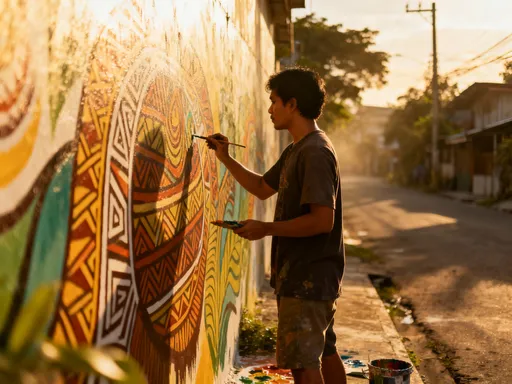
Wandering through Davao’s downtown and neighborhoods like Poblacion, Agdao, and Buhangin, one quickly realizes that street art here is not vandalism—it is narrative. Walls that might elsewhere be eyesores are instead transformed into powerful visual stories. These murals are not random splashes of color; they are deliberate, often community-commissioned works that reflect Davao’s values, history, and aspirations. Each piece serves as a public declaration of identity, a way for the city to say, “This is who we are.”
One of the most striking examples is the series of murals along R. Castillo Street, where towering images of indigenous elders, native flora, and local wildlife greet passersby. Painted by both local and national artists, these works celebrate Davao’s ecological richness and cultural diversity. A massive mural near the San Pedro Cathedral depicts children of different ethnic backgrounds holding hands beneath a blooming kalachuchi tree, symbolizing unity and peace. Another, in the Buhangin district, portrays a T’boli woman weaving, her hands forming a spiral that morphs into the city skyline—connecting tradition with modernity.
What sets Davao’s street art apart is its collaborative nature. Many murals are created through community workshops, where residents—especially youth—are invited to contribute ideas or even help paint. This participatory approach fosters ownership and pride. It also ensures that the art remains culturally accurate and respectful. Unlike in some cities where street art can spark controversy, Davao’s murals are generally embraced as civic assets. They beautify neglected spaces, reduce graffiti vandalism, and serve as informal educational tools, especially for younger generations learning about their heritage.
For visitors, these murals offer more than photo opportunities—they provide insight. Standing before a mural of a Mandaya warrior with traditional tattoos, one might pause to learn about the practice of batok, the ancient hand-tapped tattooing once used to mark rites of passage. A painting of Mount Apo shrouded in mist might inspire curiosity about the mountain’s spiritual significance to indigenous groups. These visual prompts open doors to deeper understanding. And because many artists sign their work or include QR codes linking to artist profiles and cultural context, travelers can engage meaningfully, not just superficially.
Tourists are encouraged to explore these works on foot or by bicycle, perhaps joining a guided art walk led by local creatives. Such tours often include stops at lesser-known alleys and backstreets, where smaller, intimate pieces reveal personal stories—of migration, family, resilience. These moments of quiet connection are what make Davao’s street art so memorable. It doesn’t shout; it speaks softly, clearly, and with purpose.
Indigenous Art Alive: The T’boli and Mandaya Influence
At the heart of Davao’s artistic identity are the T’boli and Mandaya peoples, two indigenous groups whose craftsmanship and aesthetic traditions have profoundly shaped the region’s cultural landscape. Their art is not static or preserved behind glass—it is living, evolving, and actively practiced. From the intricate tinulisan weaving of the T’boli to the bold brasswork of the Mandaya, these traditions are not relics of the past but dynamic forms of expression that continue to inspire contemporary design and community pride.
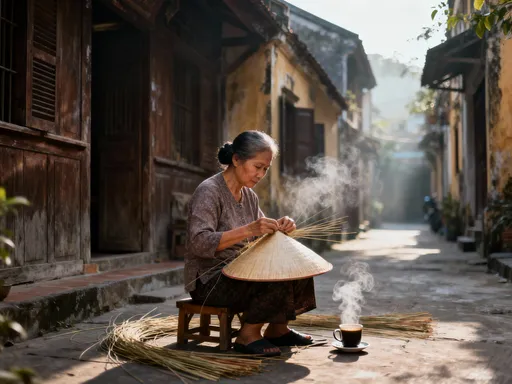
The T’boli, known as the “dream weavers,” create textiles using a backstrap loom, producing fabrics adorned with geometric patterns and symbolic motifs. The famous tales cloth, often dyed with natural pigments, features designs that represent elements of nature—crocodiles, rice grains, mountains—as well as spiritual beliefs. Each pattern tells a story, often tied to dreams or ancestral visions. Travelers can witness this craft firsthand at cultural centers like the T’boli Weaving Center in nearby Lake Sebu, where master weavers demonstrate the painstaking process, sometimes taking weeks to complete a single piece. Visitors are often invited to try their hand at the loom, an experience that fosters deep appreciation for the skill and patience required.
Similarly, the Mandaya people are renowned for their metalwork, particularly brass casting and jewelry making. Using ancient techniques, they craft intricate pendants, bangles, and ceremonial objects, often inspired by nature and spiritual symbols. The manok (chicken) motif, for example, represents fertility and abundance, while serpent designs symbolize protection. These pieces are not mass-produced; each is handmade, bearing the unique imprint of its creator. In Davao City, cooperatives like the Mandaya Artisans Guild offer ethically sourced crafts, ensuring that artists receive fair compensation and cultural ownership is respected.
Tourism plays a crucial role in sustaining these traditions. When visitors purchase directly from cooperatives or attend cultural demonstrations, they contribute to the economic viability of indigenous art. More importantly, they affirm the value of these practices in a modern world. For many artisans, especially elder women who have spent decades mastering their craft, seeing interest from younger generations and outsiders alike is deeply encouraging. It signals that their heritage is not being forgotten.
For the thoughtful traveler, engaging with indigenous art is about more than souvenirs—it’s about relationship. It means listening to the stories behind the patterns, understanding the cultural significance of colors and symbols, and recognizing the labor and love embedded in each piece. It means choosing authenticity over imitation, supporting community-based enterprises, and leaving with more than just a bag of goods—carrying instead a deeper connection to the people and place.
Cultural Hubs: Where Art and Community Connect
Davao’s art scene thrives not only in public spaces but in vibrant cultural hubs that serve as gathering points for creatives and curious visitors alike. These are not sterile galleries but warm, inclusive spaces where art intersects with music, food, conversation, and daily life. They reflect a city that values creativity not as a luxury, but as a vital part of community well-being.
One such space is Almawi Craft Brewery, a unique fusion of art, culture, and local flavor. Housed in a repurposed warehouse, Almawi features rotating art exhibits on its walls, live acoustic sets on weekends, and a menu that highlights indigenous ingredients. What makes it special is its commitment to showcasing Mindanaoan talent—painters, poets, and performers from Davao and surrounding provinces. Visitors often find themselves lingering over a cup of dalandan-infused coffee, chatting with an artist about their latest piece, or joining an impromptu poetry reading. It’s a place where creativity feels effortless, where art is not observed from a distance but lived.
Another cornerstone of the city’s cultural landscape is Museo Dabawenyo, located in the heart of Roxas Avenue. Unlike traditional museums with strict no-touch policies, this space encourages interaction. Exhibits include everything from vintage photographs of old Davao to contemporary installations by local artists. The museum frequently hosts workshops—children learn to make abaca paper, adults try their hand at natural dyeing, and families participate in storytelling sessions about the city’s history. Its courtyard often buzzes with activity during weekend art markets, where visitors can meet artisans, sample local snacks, and take home handmade crafts.
The Buhangin Art Collective represents a more grassroots effort, born from a group of neighborhood artists who wanted to revitalize their community through creativity. Operating out of a modest studio, they organize mural projects, youth art classes, and community clean-up drives paired with painting sessions. Their philosophy is simple: art should be accessible to everyone, regardless of background or income. They’ve transformed abandoned lots into green spaces adorned with murals, turning eyesores into sources of pride. For visitors, joining one of their open studio days offers a rare glimpse into how art can be a tool for social change.
These spaces share a common thread: they are not just venues, but living ecosystems of creativity. They welcome families, solo travelers, and local residents with equal warmth. They don’t require formal attire or prior knowledge—just curiosity and an open heart. For women seeking travel experiences that nourish the soul, these hubs offer exactly that: connection, inspiration, and a sense of belonging.
Festivals That Celebrate Heritage Through Art
No discussion of Davao’s art scene would be complete without mentioning the Kadayawan Festival, the city’s most iconic annual celebration. Held every August, Kadayawan is a week-long expression of gratitude to nature and the indigenous communities that have stewarded the land for generations. While often described as a festival of smiles, flowers, and dance, it is, at its core, a grand artistic showcase—one that brings together music, costume, movement, and storytelling in a powerful display of cultural pride.
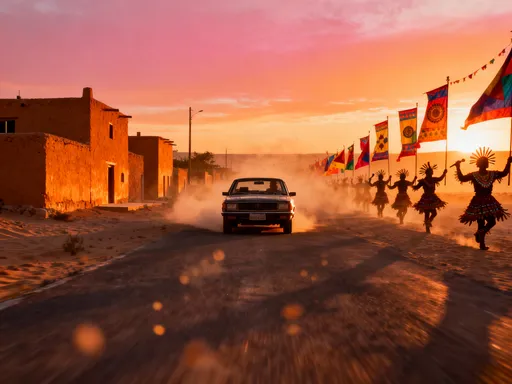
The highlight of Kadayawan is the Indak-Indak sa Kadalanan, a street dancing competition where contingents from different barangays and ethnolinguistic groups perform choreographed routines in elaborate costumes. These are not generic outfits but meticulously crafted representations of tribal identity. T’boli dancers wear brass crowns and layered beads, their movements mimicking the flutter of butterflies. Mandaya performers don headdresses adorned with hornbill feathers, their steps echoing the rhythms of ancestral rituals. The costumes themselves are works of art, often handmade using traditional techniques and natural materials, from abaca fiber to hand-beaten brass.
Beyond the spectacle, Kadayawan offers immersive experiences for visitors who wish to go deeper. Cultural camps allow guests to learn traditional songs, try basic weaving, or participate in food preparation using indigenous methods. These hands-on activities foster genuine appreciation, moving beyond observation to participation. For families, it’s a chance to teach children about diversity and respect in a joyful, engaging way.
While Kadayawan is the most well-known, Davao hosts smaller, equally meaningful events throughout the year. The Lepas Festival in nearby Tagum celebrates the harvest with boat races and craft displays, while the Pista sa Kinaiyahan in Monkayo highlights environmental art made from recycled materials. These gatherings may not draw massive crowds, but they offer quieter, more intimate encounters with local artistry—perfect for travelers who prefer authenticity over spectacle.
Attending a festival in Davao is not just entertainment; it’s an invitation to witness how art functions as a living thread connecting past and present. It’s a reminder that creativity is not separate from daily life but woven into it—expressed in how people dress, dance, eat, and celebrate. For women who value meaningful travel, these festivals offer rich, multi-sensory experiences that linger long after the trip ends.
How to Experience Davao’s Art Authentically
To truly appreciate Davao’s art scene, timing and intention matter. The best period to visit is during the Kadayawan Festival in August, when the city is at its most vibrant. However, traveling in the shoulder months—July or September—can offer a more relaxed pace while still allowing access to cultural events and open workshops. Avoiding peak holiday weekends helps reduce crowds and creates space for more personal interactions with artists.
One of the most rewarding ways to engage is through artist-led tours. Organizations like the Davao Arts Network and local cooperatives offer guided walks that take visitors behind the scenes—into studios, weaving centers, and community murals in progress. These tours are often led by the creators themselves, providing firsthand insights into their techniques, inspirations, and challenges. Unlike generic sightseeing, these experiences are conversational, intimate, and deeply human.
When shopping for crafts, prioritize cooperatives and community-run stores over souvenir shops in malls. Look for labels that indicate fair trade practices or direct artist partnerships. Avoid items that mimic sacred symbols or use materials like endangered hardwoods or protected animal parts. A simple woven bag from a T’boli cooperative may cost more than a mass-produced replica, but it carries immeasurable value—both cultural and ethical.
Respectful engagement is key. Always ask permission before photographing people, especially elders or those in traditional attire. Listen more than you speak. Participate in workshops not to “check a box” but to learn and honor the craft. Visit during off-peak hours to allow time for real conversation. And when in doubt, follow the lead of local hosts—Davao residents are known for their warmth and will gladly guide respectful guests.
For those seeking a hands-on experience, consider joining a half-day weaving session, a mural painting workshop, or a natural dyeing demo. These activities are not tourist traps but genuine invitations to create alongside locals. They offer a rare gift: the chance to make something beautiful while forming a real connection.
Why Davao’s Art Scene Matters Beyond Tourism
Davao’s art is not just for visitors to admire—it is a vital force within the community. It strengthens cultural identity, preserves endangered traditions, and fosters intergenerational dialogue. In a city shaped by migration and modernization, art serves as an anchor, reminding people of who they are and where they come from. It gives voice to indigenous communities, ensures that ancestral knowledge is not lost, and empowers youth to take pride in their heritage.
Moreover, the creative economy provides sustainable livelihoods. When tourists support local artisans, they help keep families employed, traditions alive, and communities thriving. Art becomes not just expression but resilience. It builds bridges between different groups—Muslim, Christian, indigenous—creating shared spaces of understanding and collaboration. In a region once marked by conflict, this quiet act of creation is itself a form of peacebuilding.
For travelers, especially women who seek depth and purpose in their journeys, Davao offers a model of tourism done right: respectful, reciprocal, and rooted in humanity. It challenges the notion that art must be loud or famous to matter. Here, it is quiet, steady, and deeply felt. It is in the hands of a weaver, the stroke of a muralist’s brush, the laughter at a community art jam.
Davao’s creative soul is not hidden—it is waiting to be seen, heard, and honored. It invites us to slow down, to look closely, and to listen. And in doing so, we don’t just discover a city’s art. We discover its heart.