You Won’t Believe These Hidden Corners of Hue’s City Districts
Hue, Vietnam is more than just imperial grandeur and royal tombs—its real magic lies in the quiet alleys and local neighborhoods most travelers never see. I wandered beyond the postcard sights and discovered a side of Hue where life unfolds slowly, in fragrant morning markets, riverside hamlets, and tucked-away temples. These hidden city districts offer authenticity you can’t find in guidebooks. Let me take you where the map doesn’t.
The Forgotten Charm of Old Quarter Alleys
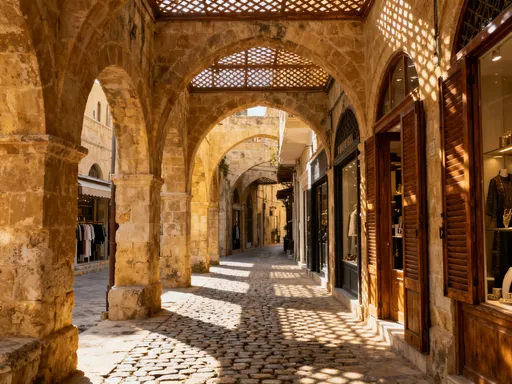
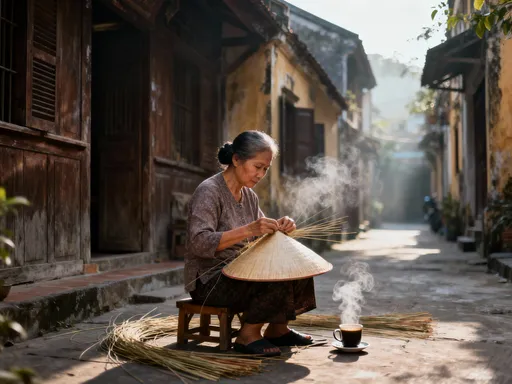
Beyond the bustling Dong Ba Market, where tourists bargain for souvenirs and sample steaming bowls of bun bo Hue, a quieter world unfolds. Narrow alleys branch off like veins from the main streets, leading into the historic Old Quarter—a network of lanes so tight that motorbikes must slow to a crawl. Here, centuries-old wooden houses stand shoulder to shoulder, their faded yellow walls and moss-covered tiles whispering stories of generations past. These homes are not museums; they are lived-in, loved, and carefully maintained by families who have called this neighborhood home for decades. Morning light filters through gaps in the rooftops, illuminating women weaving conical hats—known locally as non la—on low bamboo stools. The rhythmic tapping of bamboo strips being shaped into perfect circles is a sound as much a part of Hue’s identity as the chime of temple bells.
Life in these alleys moves at a gentle pace. Elders gather on tiny plastic stools, sipping strong Vietnamese coffee from small glass cups, exchanging news in hushed tones. Children dart between doorways, chasing each other through shaded corridors. Laundry hangs above like colorful banners, swaying gently in the breeze. There are no souvenir stalls, no English-language menus—just daily life unfolding with quiet dignity. This is not a curated experience for visitors; it is the enduring reality of a community rooted in tradition. What makes these alleys so special is not their architecture alone, but the continuity of culture they represent. Each home functions as both residence and workshop, preserving crafts and customs that might otherwise fade in the face of modernization.
Preserving these spaces is not merely about protecting old buildings—it is about honoring a way of life. As urban development pressures grow, the risk of displacement and demolition increases. Yet efforts by local heritage advocates and grassroots organizations aim to protect the Old Quarter’s integrity. Their goal is not to freeze the area in time, but to ensure that modernization respects the human scale and cultural depth of the neighborhood. When travelers step into these alleys, they are not just observing history—they are witnessing resilience. And in doing so, they contribute to awareness, which can become a powerful force for preservation. The value of these hidden lanes lies not only in their aesthetic charm but in their ability to connect us to the soul of Hue—one quiet conversation, one handwoven hat, one cup of coffee at a time.
Tranquil Life Along the Perfume River’s Hidden Banks
While most visitors board riverboats for scenic cruises past Thien Mu Pagoda and royal tombs, few venture to the quieter stretches of the Perfume River that wind through residential districts like Thuy Thanh and Thanh Tien. These lesser-known banks reveal a different relationship with the water—one rooted in sustenance, routine, and seasonal rhythm. Here, the river is not a backdrop for photographs but a lifeline for communities whose lives are shaped by its currents. Farmers cultivate small vegetable plots on river islands, accessible only by narrow wooden boats or footbridges made of bamboo. At dawn, mist rises from the water’s surface, softening the outlines of paddies where morning glory, lettuce, and water spinach grow in rich alluvial soil.
Children pedal bicycles along dirt paths that run parallel to the river, waving at passing boats with effortless familiarity. Elderly fishermen mend their nets on wooden platforms extending over the water, their hands moving with practiced precision. Some cast handmade traps into slow-moving eddies, relying on traditional knowledge passed down through generations. Unlike commercial fishing operations, these efforts are modest and sustainable—enough to feed families and sell surplus at local markets. The river also supports small-scale aquaculture, with bamboo enclosures housing tilapia and catfish. This quiet economy thrives without fanfare, operating beneath the radar of mass tourism.
What makes these riverside communities remarkable is their deep attunement to natural cycles. During the rainy season, when water levels rise, families elevate their homes on stilts and shift cultivation to higher ground. In drier months, irrigation channels are carefully managed to conserve every drop. This intimate knowledge of the environment is a form of wisdom often overlooked in modern urban planning. Visitors who take the time to walk these banks—preferably in the early morning or late afternoon—will find a serene beauty in the simplicity of daily life. Birdsong replaces engine noise; the rustle of reeds replaces crowds. There are no ticket booths or guided tours here—only the quiet hum of existence, sustained by the river’s generosity. By choosing to explore these overlooked areas, travelers gain a deeper appreciation for Hue not as a destination, but as a living, breathing ecosystem shaped by water, work, and time.
Hidden Temples and Spiritual Pockets in Residential Zones
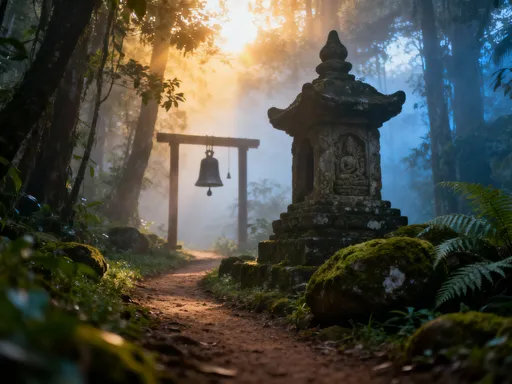
Away from the grandeur of Thien Mu Pagoda and the Imperial Citadel’s ceremonial shrines, Hue’s spiritual heart beats in smaller, unassuming temples nestled within residential neighborhoods. These are not grand tourist attractions, but quiet sanctuaries where daily rituals sustain both faith and community. One such place is Dieu Nghiem Temple, tucked into a narrow lane in the southern part of the city. Its red lacquered gate opens to a courtyard shaded by frangipani trees, where incense coils rise from bronze urns and settle above tiled rooftops like silent prayers. Monks move quietly through the halls, their saffron robes brushing against stone pathways worn smooth by decades of bare feet.
Unlike larger, more famous temples, Dieu Nghiem and others like it operate on a human scale. They serve primarily as places of worship for nearby residents, many of whom arrive before sunrise to light candles, offer lotus blossoms, and chant sutras in low, rhythmic voices. The morning meditation session, open to all, draws a mix of elderly locals and younger practitioners seeking peace amid urban life. There are no loudspeakers, no ticket lines—just stillness, punctuated by the occasional chime of a prayer bell. These temples are not preserved behind glass; they are lived-in, used, and deeply integrated into the rhythm of the neighborhood.
Other spiritual pockets include family-run pagodas and ancestral altars maintained in private homes. In some districts, it is common to see small shrines at the entrance of houses, adorned with fresh flowers, joss sticks, and photographs of departed loved ones. These personal acts of devotion reflect a culture where spirituality is woven into everyday life, not reserved for special occasions. For visitors, entering these spaces requires humility and respect—removing shoes, speaking softly, and observing rather than interrupting. When done with care, such visits become moments of connection, offering insight into a quieter, more contemplative side of Hue. These hidden temples remind us that true sanctity often resides not in spectacle, but in the ordinary acts of remembrance, gratitude, and stillness.
Local Eateries Where Flavor Tells a Story
The true taste of Hue is not found in polished restaurants catering to tourists, but in the backyard kitchens and sidewalk stalls tucked into residential districts like Huong Vinh and Huong Long. Here, food is not performance—it is legacy. One such spot, known only to locals, operates out of a modest home where an elderly woman prepares bun bo Hue in a copper pot that has simmered broth for over thirty years. The dish—spicy, aromatic, and deeply savory—is served on mismatched porcelain bowls at a cluster of small tables under a banana tree. Diners include construction workers on break, schoolteachers, and neighbors dropping by after evening prayers. There are no menus in English, no Instagrammable plating—just honest, soulful cooking rooted in memory and seasonality.
Bun bo Hue itself is more than a meal; it is a cultural emblem. Its bold flavors—infused with lemongrass, shrimp paste, and chili oil—reflect the region’s culinary identity. Each family has its own variation, often guarded as closely as a treasured heirloom. Some add extra blood cubes for richness; others emphasize herbal notes with fresh perilla and sawtooth coriander. The dish’s heat is not meant to overwhelm, but to awaken—the same way morning sunlight stirs the city to life. Equally significant is banh khoai, a crispy rice pancake filled with shrimp, bean sprouts, and pork, cooked on a griddle older than most visitors’ parents. Found at a street cart near a quiet pagoda, this humble snack carries layers of history, its recipe unchanged for generations.
What sets these eateries apart is their authenticity. Ingredients are sourced daily from nearby markets—tender herbs from riverside gardens, fresh seafood from local fishermen, rice noodles made by hand at dawn. Cooking begins early, often before sunrise, following routines unchanged for decades. For travelers willing to stray from the main food streets, these meals offer more than sustenance—they offer intimacy. Sharing a table with locals, using chopsticks to pick up the last morsels of pork, sipping cool sugarcane juice from a plastic cup—these are the moments that transform a trip into a memory. And in honoring these kitchens, visitors support not just a business, but a lineage. Every bowl served is a continuation of a story, one that began long before tourism arrived and will endure long after.
Artisan Villages Still Breathing Within the City
Within Hue’s expanding urban footprint, pockets of traditional craftsmanship endure—places where age-old skills are practiced not as performance, but as livelihood. One such place is Song Dinh, a riverside hamlet where families weave sleeping mats from reeds harvested from the Perfume River. The process begins at dawn, when workers gather bundles of dried reeds and split them into thin strips using hand-held blades. These are then dyed in natural pigments—indigo, turmeric, and betel leaf—before being woven on wooden looms that have stood in the same homes for generations. The rhythmic clacking of the loom is a constant soundtrack, a sound that has echoed through the village for over a century.
Further afield, though still accessible from central Hue, lies Phuoc Tich—a centuries-old pottery village where clay from the riverbank is shaped into vases, jars, and teapots using techniques unchanged since the Nguyen Dynasty. Artisans here work without electric wheels, relying instead on foot-powered kick wheels and open-fire kilns. The result is pottery that bears the mark of human hands—slightly uneven, deeply textured, alive with character. While some pieces are sold to collectors and shops, many are used locally for storing rice, fermenting fish sauce, or serving tea. This is not art for display; it is craft for living.
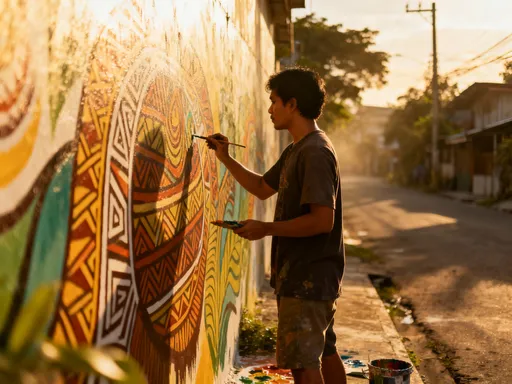
What makes these villages remarkable is their quiet resistance to obsolescence. In an age of mass production, they persist not because they are profitable, but because they are meaningful. Younger generations, though drawn to city jobs, often return during holidays to learn from elders, ensuring that knowledge is not lost. Community leaders have begun partnering with sustainable tourism initiatives to offer hands-on workshops, allowing visitors to try mat weaving or pottery shaping under the guidance of master artisans. These experiences are not staged—they are real, sometimes messy, always instructive. By supporting these villages, travelers do more than take home a souvenir; they become part of a chain of continuity, helping to preserve skills that define Hue’s cultural fabric. In every mat, every pot, there is a story of patience, pride, and persistence.
How to Explore These Districts Respectfully and Wisely
Discovering Hue’s hidden districts is a privilege, not a right—and it comes with responsibility. The first rule of visiting these neighborhoods is to move slowly and observe quietly. These are not theme parks; they are homes, workplaces, and spiritual spaces. The best time to explore is early in the morning, when light is soft and daily routines are just beginning. This allows visitors to witness life as it naturally unfolds, without disrupting its flow. Dressing modestly is essential—wearing clothing that covers shoulders and knees shows respect, particularly when entering temples or residential areas.
Photography should be approached with care. While the scenes are undeniably photogenic, snapping pictures without permission can feel intrusive. A simple smile and a gesture asking for consent go a long way. In many cases, locals may welcome a photo if asked politely—sometimes even offering to pose. But when in doubt, it is better to put the camera down and simply absorb the moment. Walking or cycling are the best ways to travel through these districts. They allow for closer connection, slower observation, and minimal environmental impact. Renting a bicycle from a local shop not only supports small businesses but also puts you at eye level with residents, fostering genuine interaction.
One of the most meaningful choices a traveler can make is to hire a guide from a community-based tourism group. These guides are often residents themselves—farmers, artisans, or retired teachers—who share firsthand knowledge and personal stories. Their tours are not scripted; they are conversations. Revenue from such visits goes directly to families and preservation efforts, creating a sustainable model that benefits everyone. Above all, the mindset should be one of humility and curiosity. Come not to extract experiences, but to listen, learn, and leave with gratitude. When approached with care, these hidden corners of Hue offer not just discovery, but transformation.
Why These Hidden Districts Matter Beyond Tourism
The hidden districts of Hue are more than just alternative destinations—they are the keepers of the city’s soul. While the Imperial Citadel and royal tombs tell the story of emperors and dynasties, these neighborhoods preserve the narrative of ordinary people—the weavers, farmers, cooks, and monks whose lives have shaped Hue’s identity across centuries. They represent continuity in a world increasingly defined by change. In these quiet alleys and riverside hamlets, tradition is not performed; it is lived. There is resilience in the way an elderly woman still weaves hats the same way her grandmother did. There is beauty in the way a family gathers around a pot of simmering broth, passing down flavors along with stories.
These spaces also offer a counterbalance to the homogenizing effects of mass tourism. In an era where cities risk becoming indistinguishable—filled with chain hotels and generic attractions—Hue’s hidden districts stand as a testament to local character. They remind us that culture is not something to be consumed, but something to be honored. When travelers choose to visit these areas, they participate in a form of tourism that values depth over convenience, connection over spectacle. And in doing so, they help ensure that these neighborhoods are not erased by progress, but protected as vital parts of Hue’s future.
Ultimately, the true heart of a city beats not in its monuments, but in its everyday streets. To walk through Hue’s hidden corners is to listen to that heartbeat—to feel the pulse of a community that thrives on quiet dignity, shared memory, and enduring craft. Let this be an invitation: to travel slowly, to look closely, and to honor the unseen. Because in the end, the most unforgettable journeys are not those that take us to famous landmarks, but those that lead us to the quiet, living soul of a place.